We had an exciting itinerary on the last day of our Delhi delights before catching a train to Amritsar. From exploring the National Railway Museum to experiencing a train ride and reaching our next destination, Amritsar, it was a day filled with history, transportation marvels, and travel. Join us as we recount the highlights of our day and share our experiences.
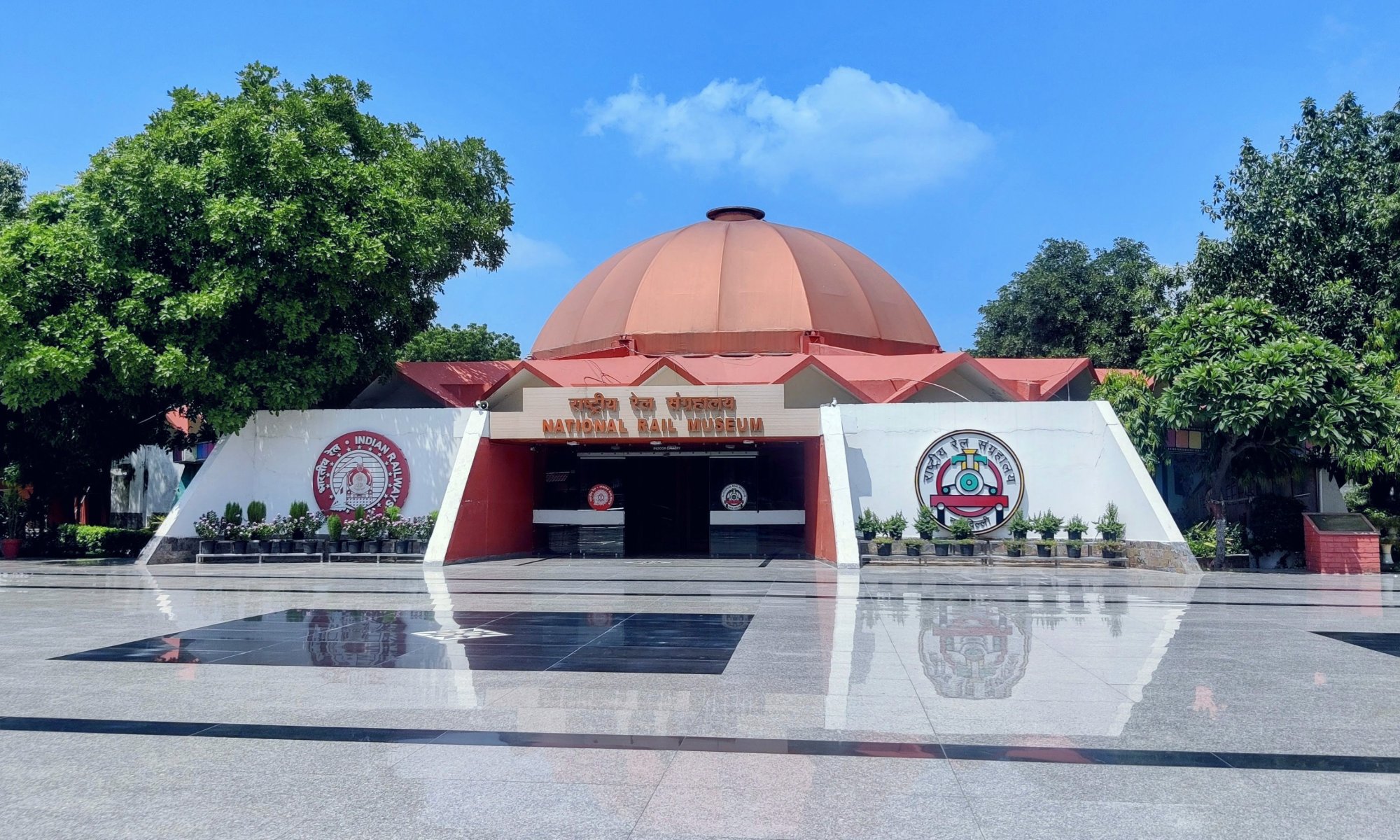
After enjoying a delicious breakfast at our hotel, we explored the fascinating National Railway Museum in Delhi.
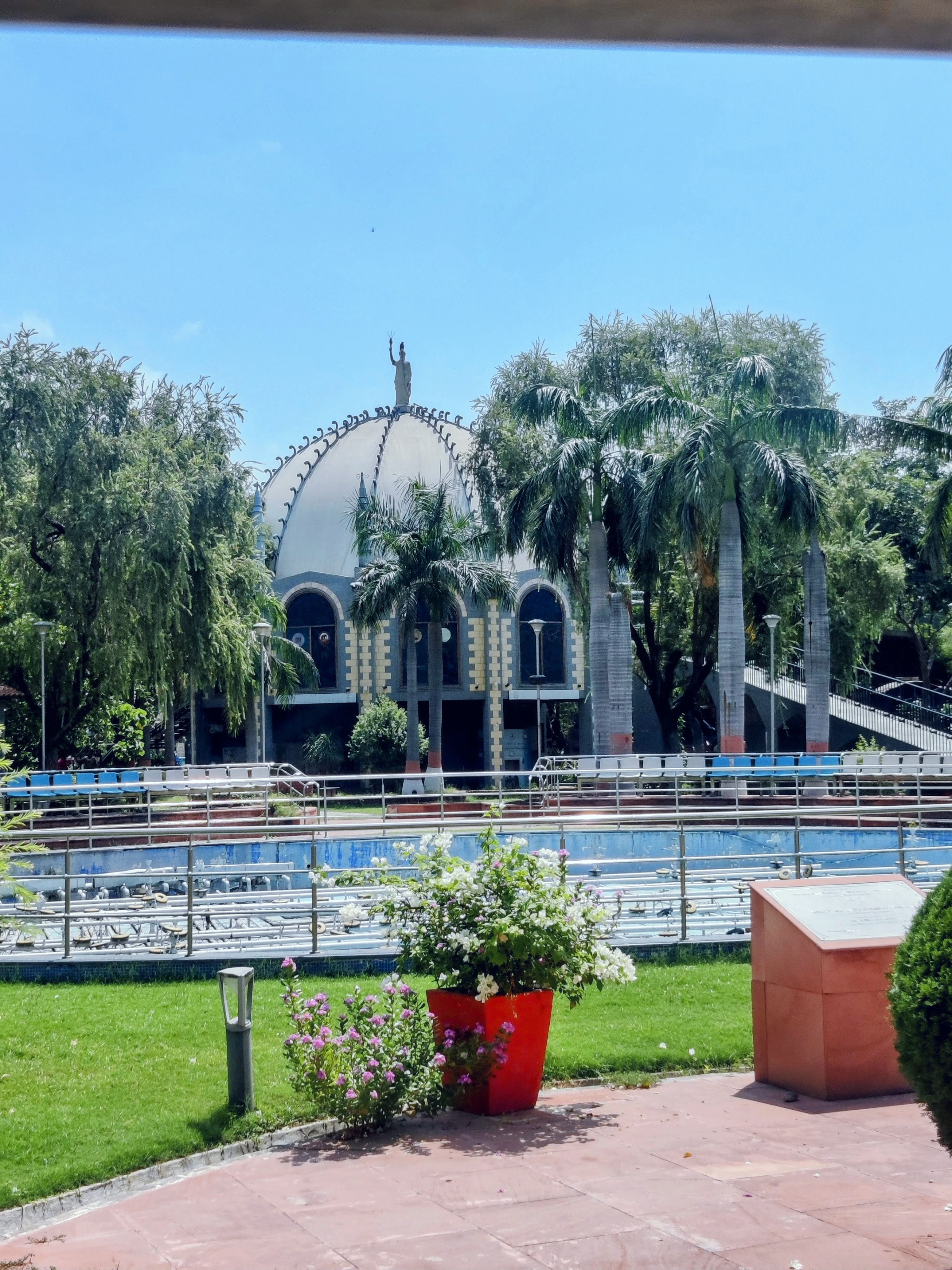
The National Railway Museum in Delhi is a treasure trove of railway artifacts and memorabilia. It was established in 1977 with the objective of preserving and showcasing the heritage of Indian Railways. The museum houses an impressive collection of vintage locomotives, royal carriages, and historical photographs, providing a comprehensive insight into the development of railways in India.
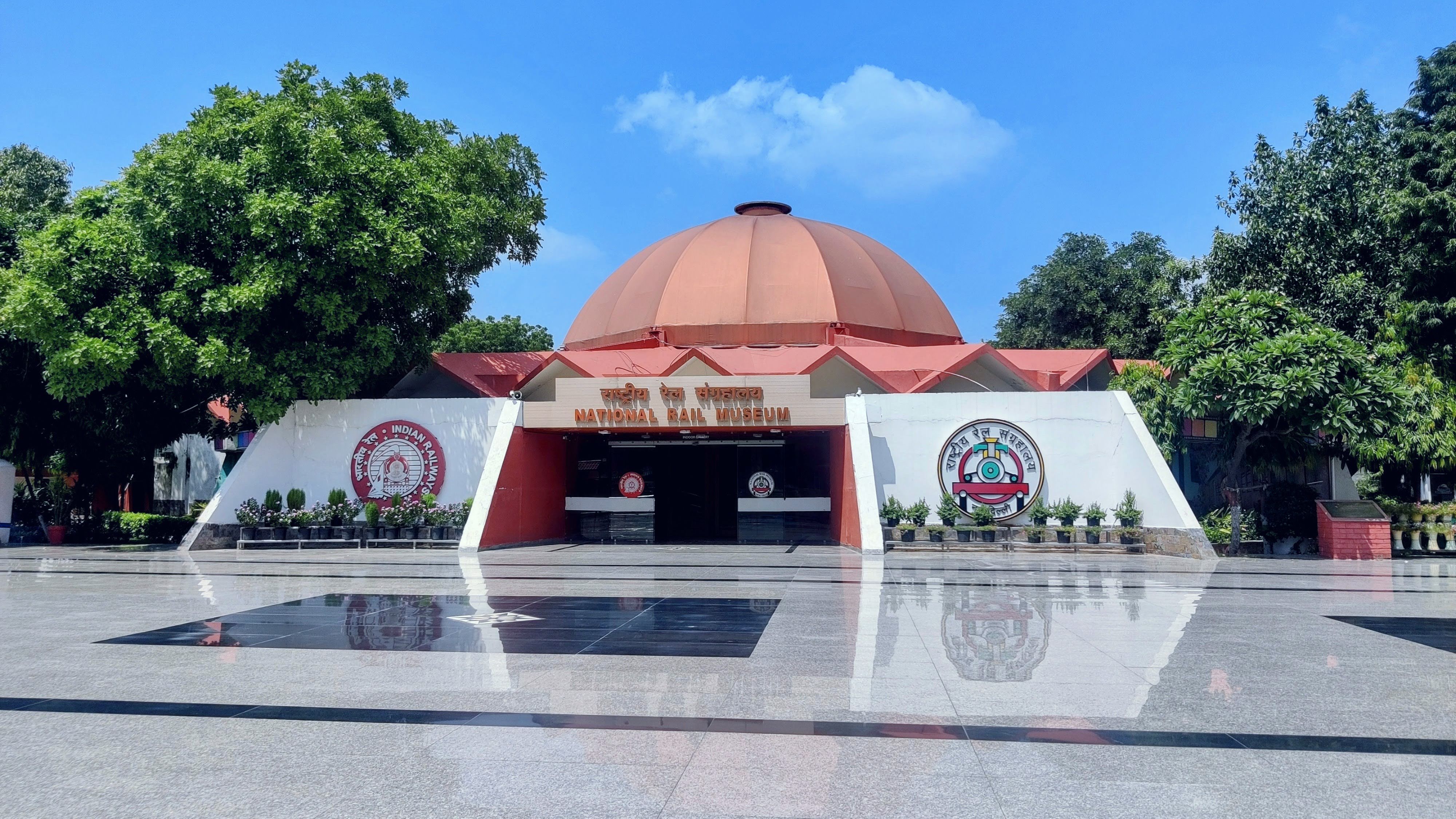
We didn’t book the ticket in advance as we were visiting on Wednesday. There was no queue at the ticket window, so we immediately got into it. The museum showcases the rich history and heritage of India’s railways, providing a glimpse into the evolution of this important mode of transportation. Upon arrival, we were greeted by a vast collection of vintage locomotives, carriages, and artifacts that reflect the bygone era of railways in India.
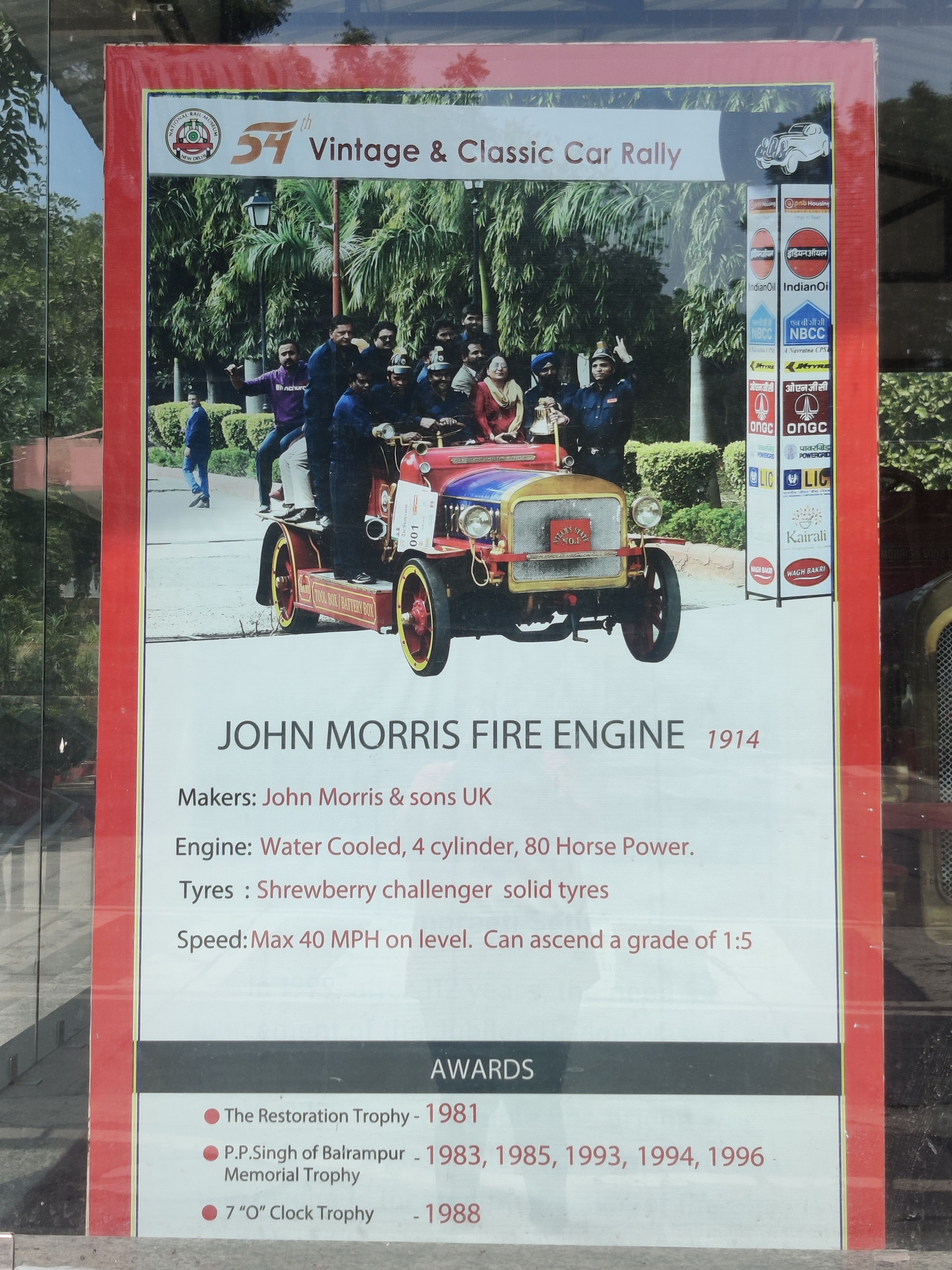
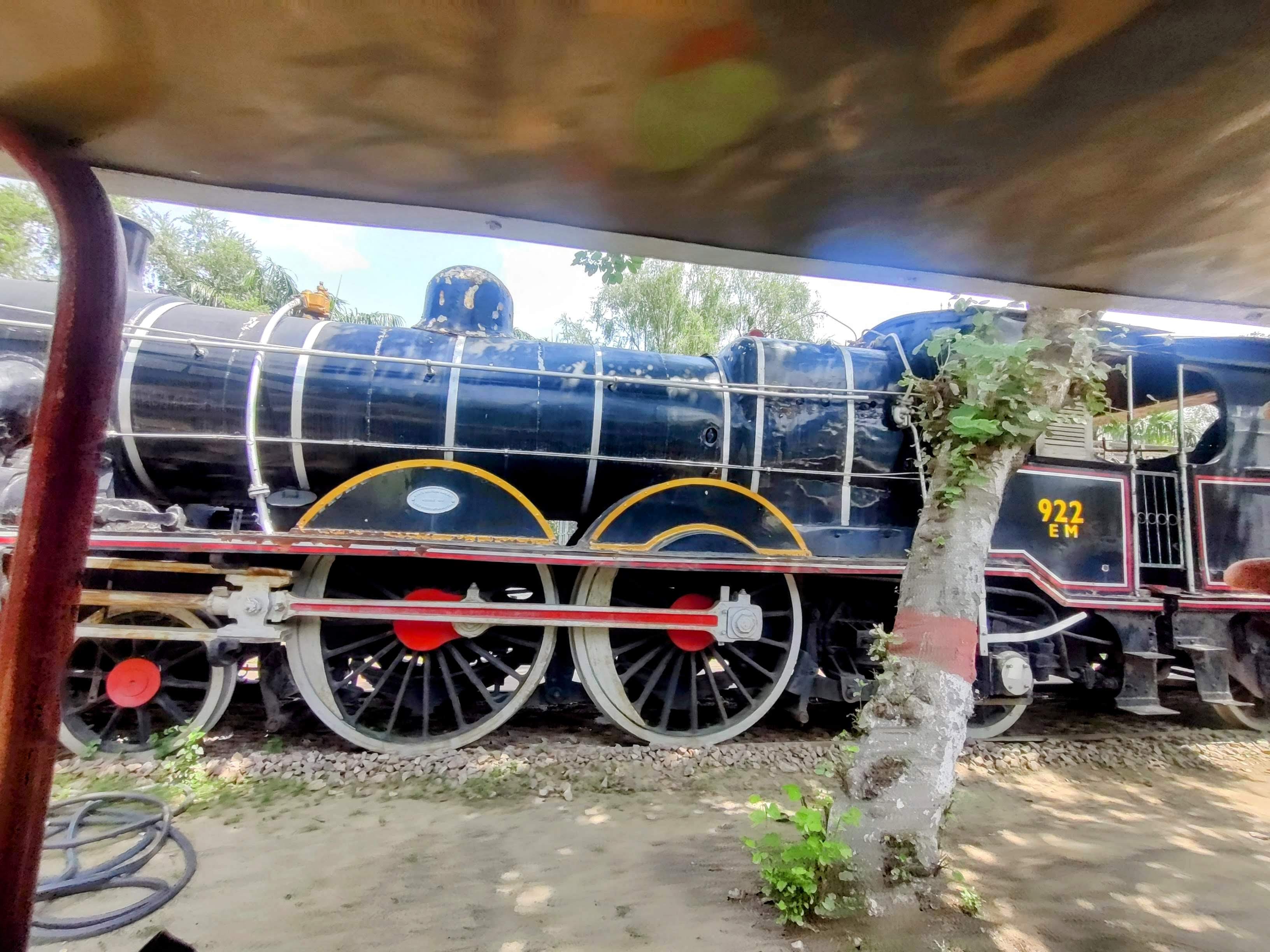
One of the notable exhibits at the museum is the Fairy Queen, the oldest operational steam locomotive in the world. Visitors can also explore the indoor gallery, which displays miniature models, informative panels, and interactive exhibits that shed light on the technological advancements in rail transport.

Patiala State Monorail Trainways:
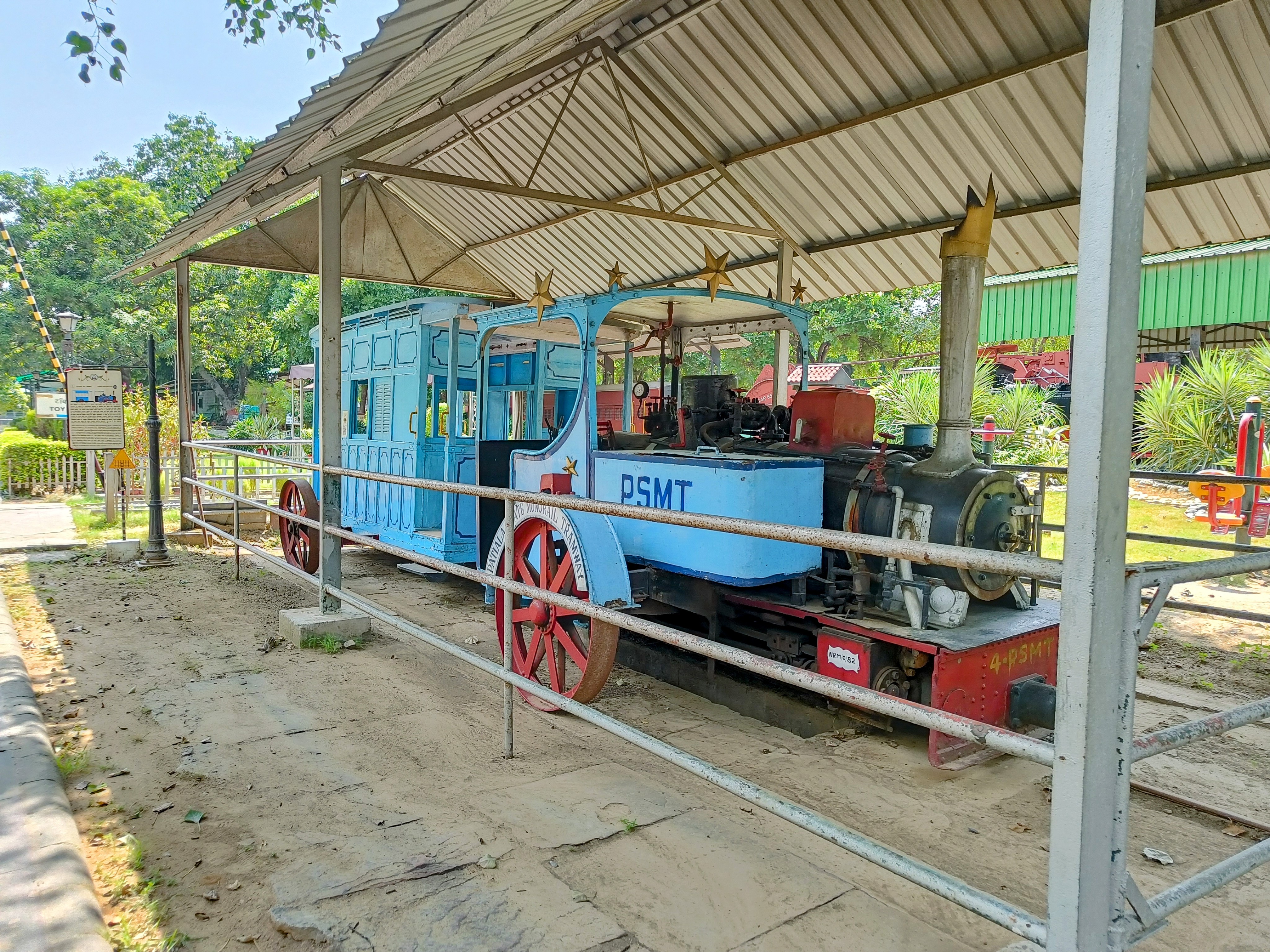
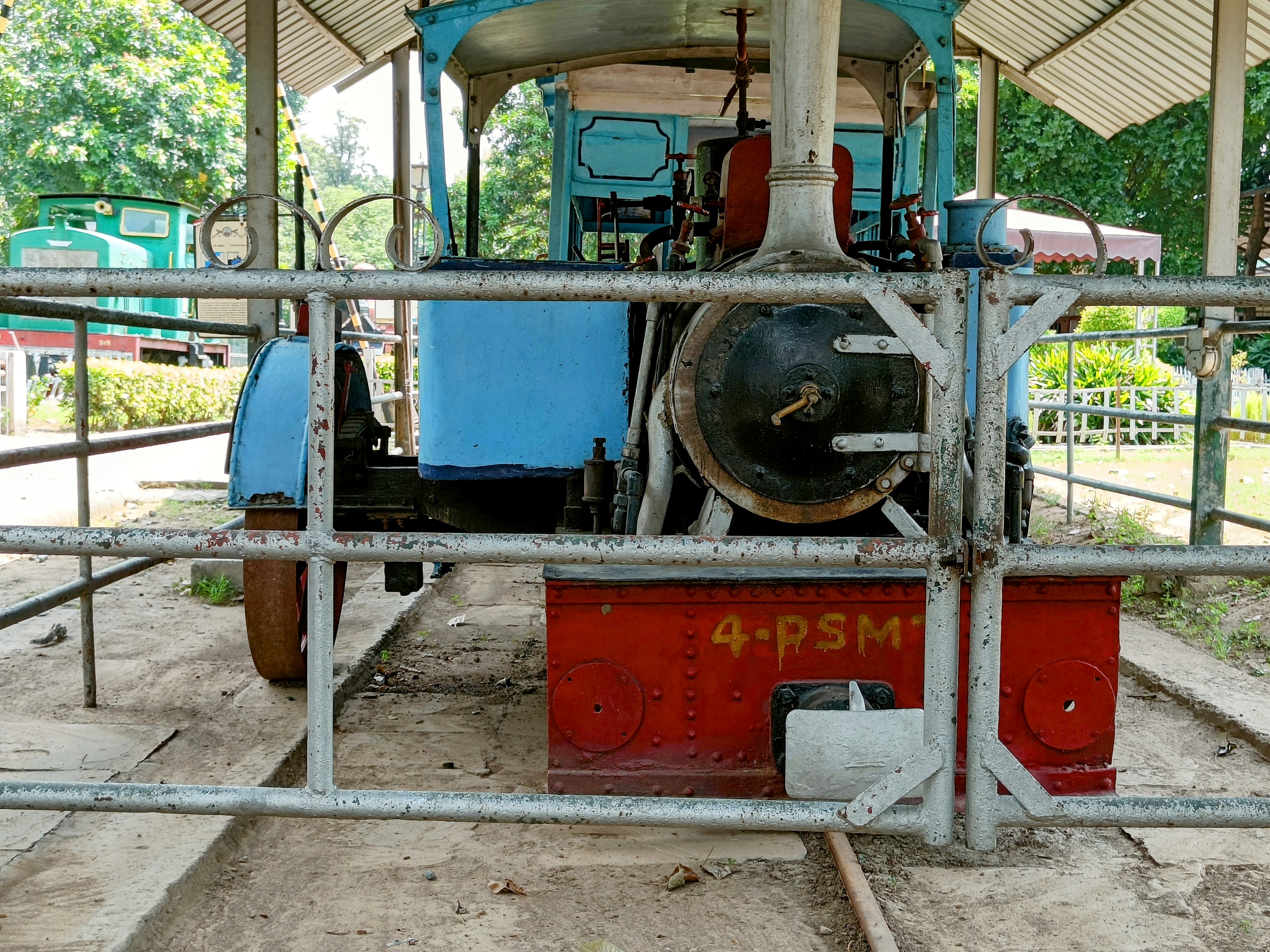
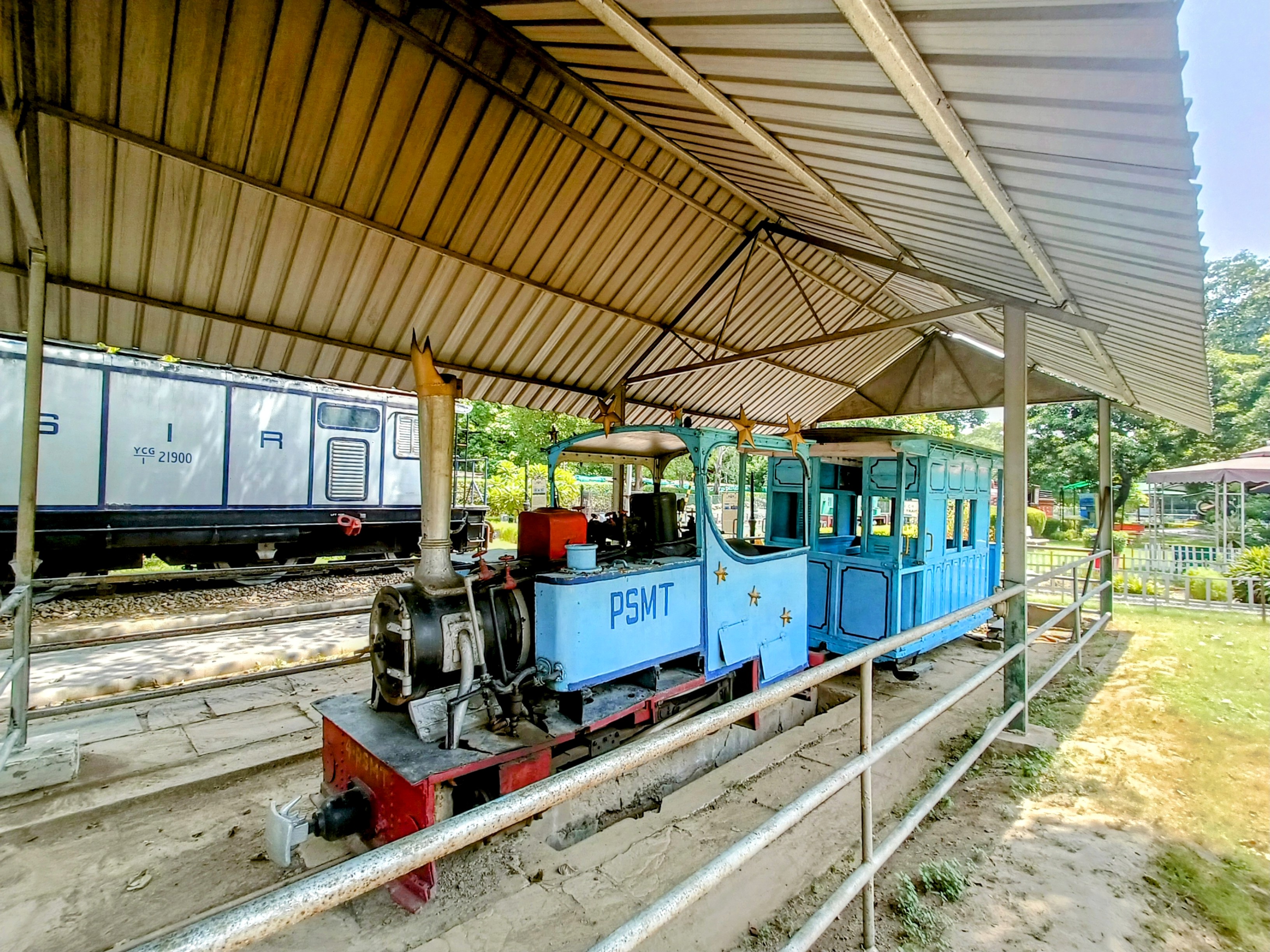
These unique 40-ton 0-3-0 locomotives were manufactured by M/s Orenstein and Koppel of Berlin in 1909 for about £500- £600 (approx ₹7000 that time) each. A total of four locomotives were imported into India. The middle flange-less wheel was 1 ft 8 in diameter. The other two wheels were double-flanged and had a groove depth of 2.15 centimeters (0.85 inches). The locomotive had a wheelbase of 119 centimeters (3 ft 11 in). The main load ( almost 95% ) is borne by the single rail while the rest is borne by the balancing wheel (39″ Dia) which runs on the ground. Further, in normal train systems, the rails have to be at almost the exact level of other rails, failing which the train may go off the tracks. By using the Ewing system, this problem is solved as the balancing wheel does not need an exact level to maintain the balance of the monorail. In addition, the cost of laying tracks also goes down considerably since only one rail is used. Another benefit of using the Ewing System was that the balancing wheel could run on existing tarred roads thus further reducing the cost to lay down tracks.
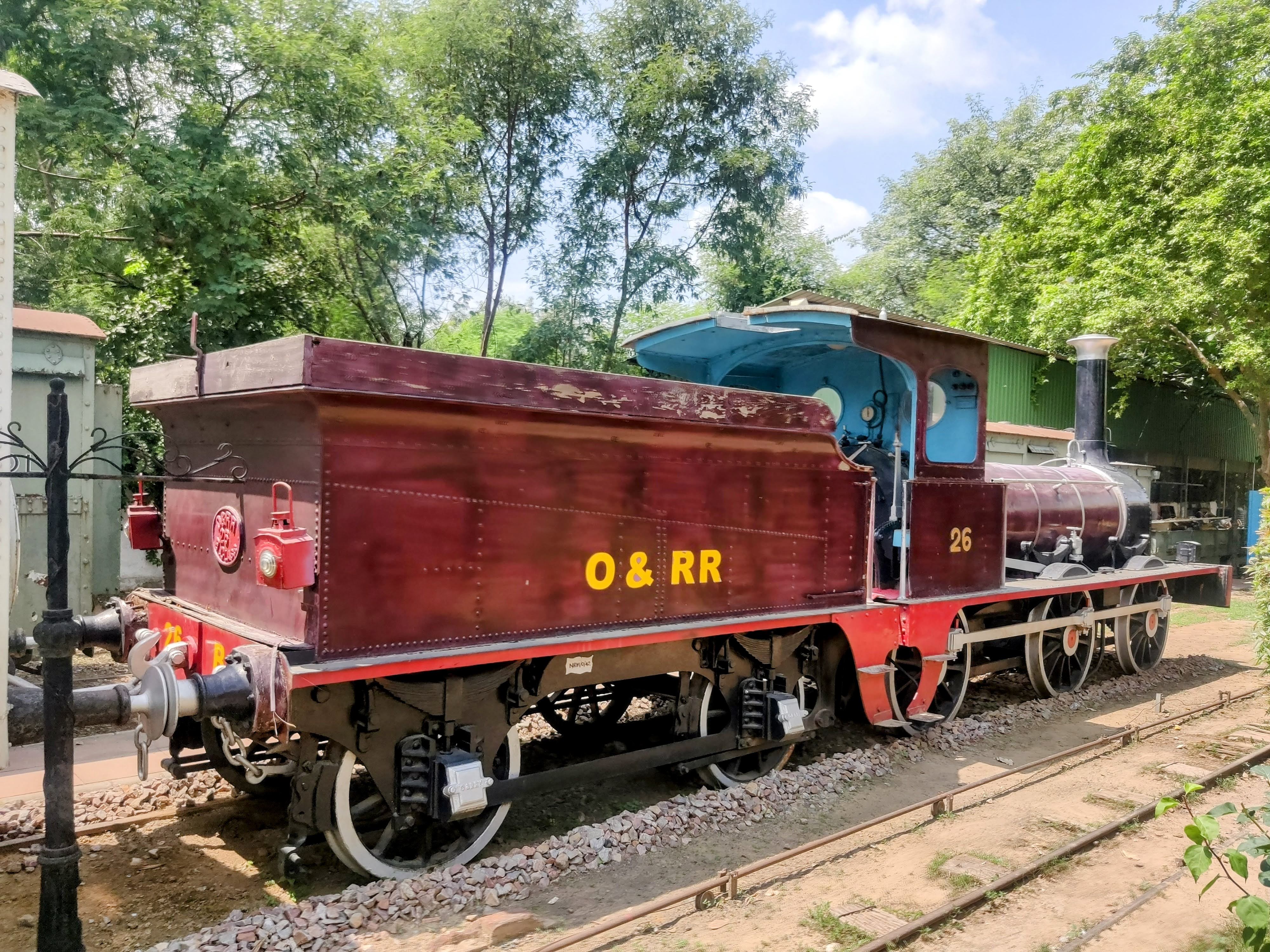
Ramgotty:
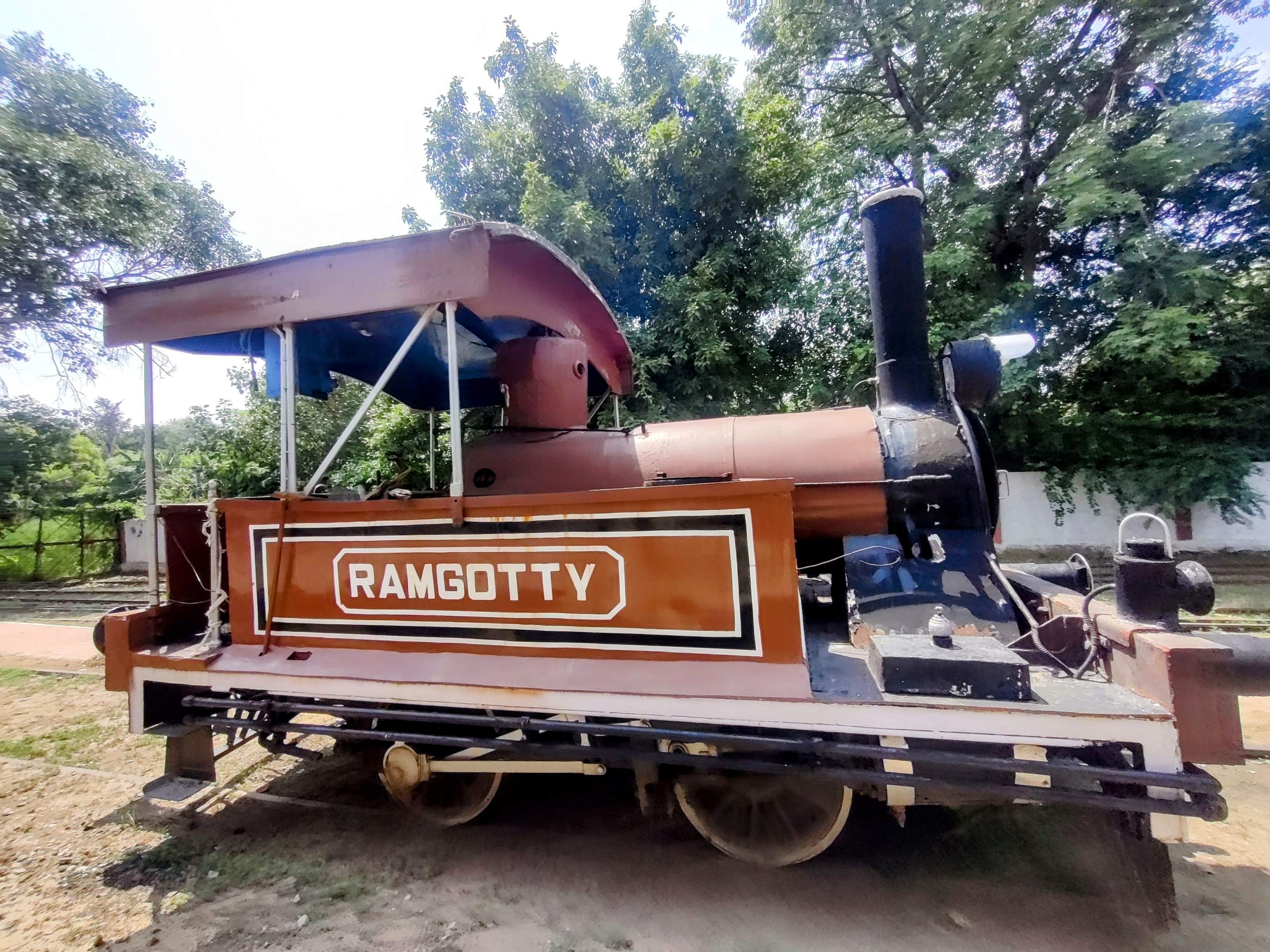
Ramgory’ is named after Shri Ramgotry Mukherjee, who was the last GM of the Nalhun-Azimgunj Light Railway in West Bengal. It was built in 1862 by ‘Anjubault of Paris’, which operated on an unusual 40 rail gauge. The line was taken over by the EIR in 1892 and re-gauged to Broad-gauge (5’6″). Ramgotry was consequently re-gauged to Broad-gauge and became a sifting engine at the Jamalpur Workshop. This 20-ton 040 side tank locomotive was sold in 1951 to the Calcutta Corporation Municipal Railways, for refuse train working. The engine was consigned to the scrap heap in her centenary year, but happily, in 1974, was rescued, and returned to Jamalpur, before retiring to the NRM. The second oldest exhibit in the museum, Ramgorry is the only exhibit to have undergone a gauge change and is the only locomotive in India fitted with outside ‘Gooch link motion valve gear.
The Mini Train Ride:
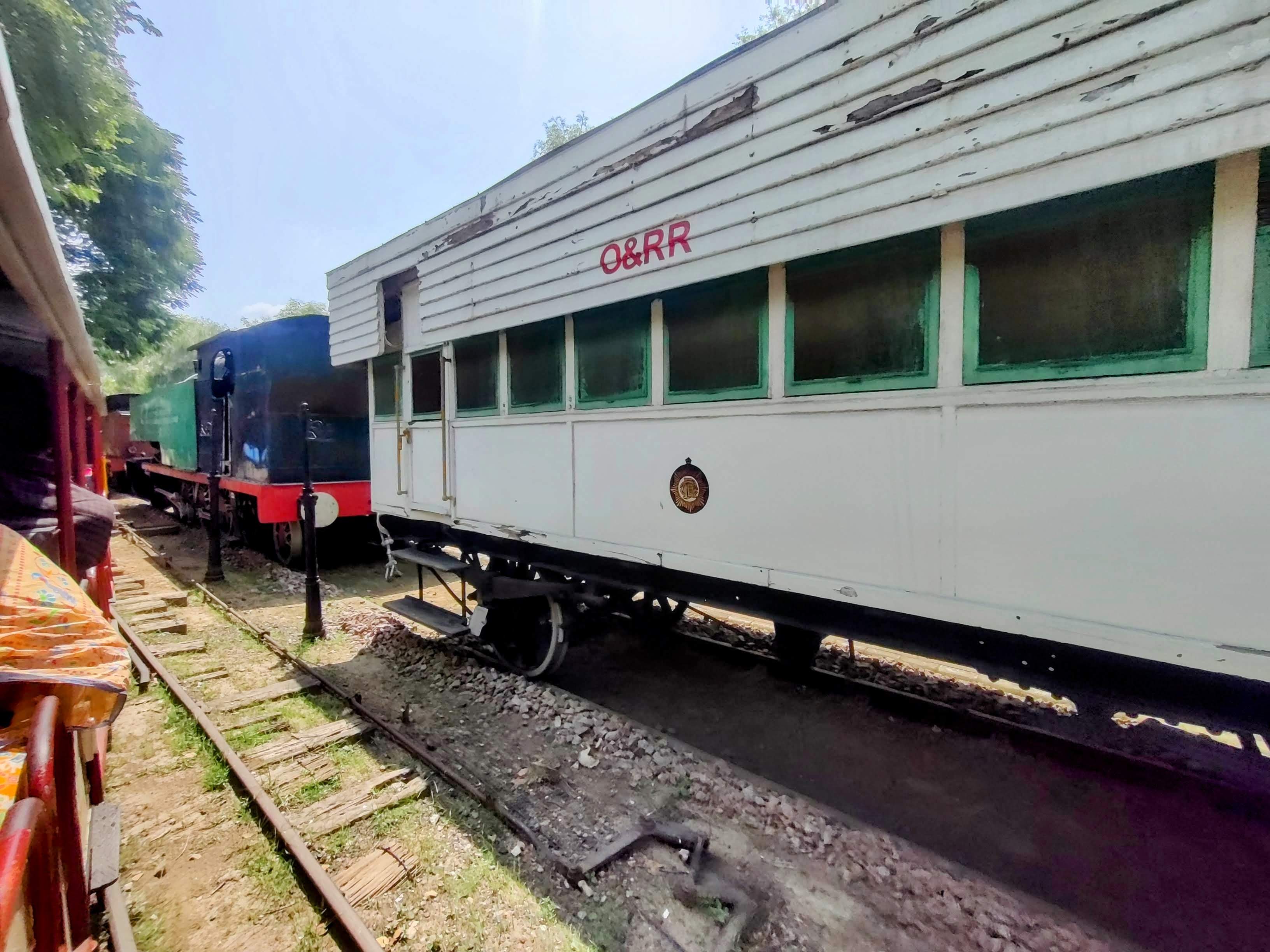
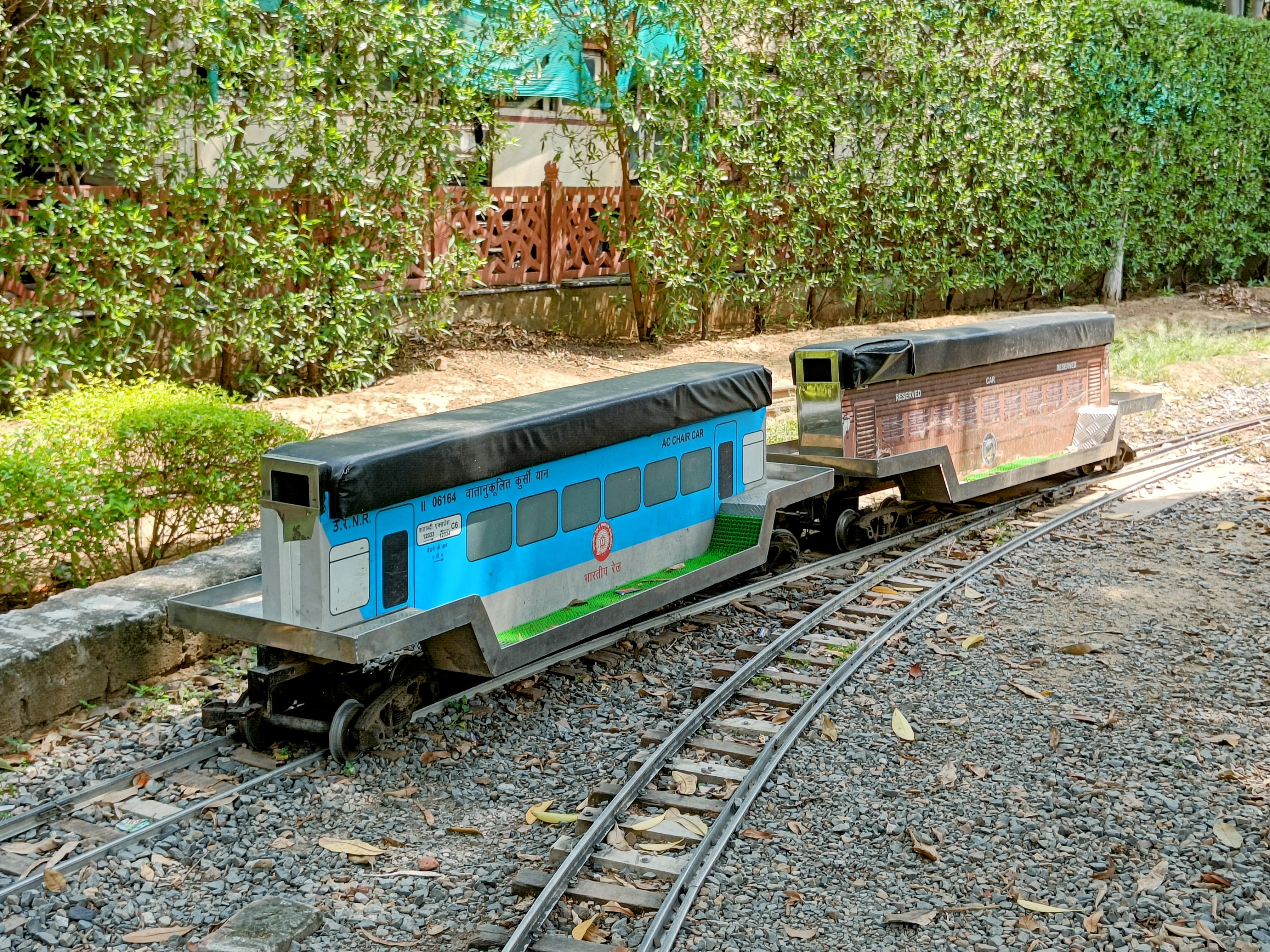
One of the highlights of our visit was taking a joy train ride within the museum premises. We hopped aboard a heritage train and traveled along a short track, relishing the experience of being transported back in time.
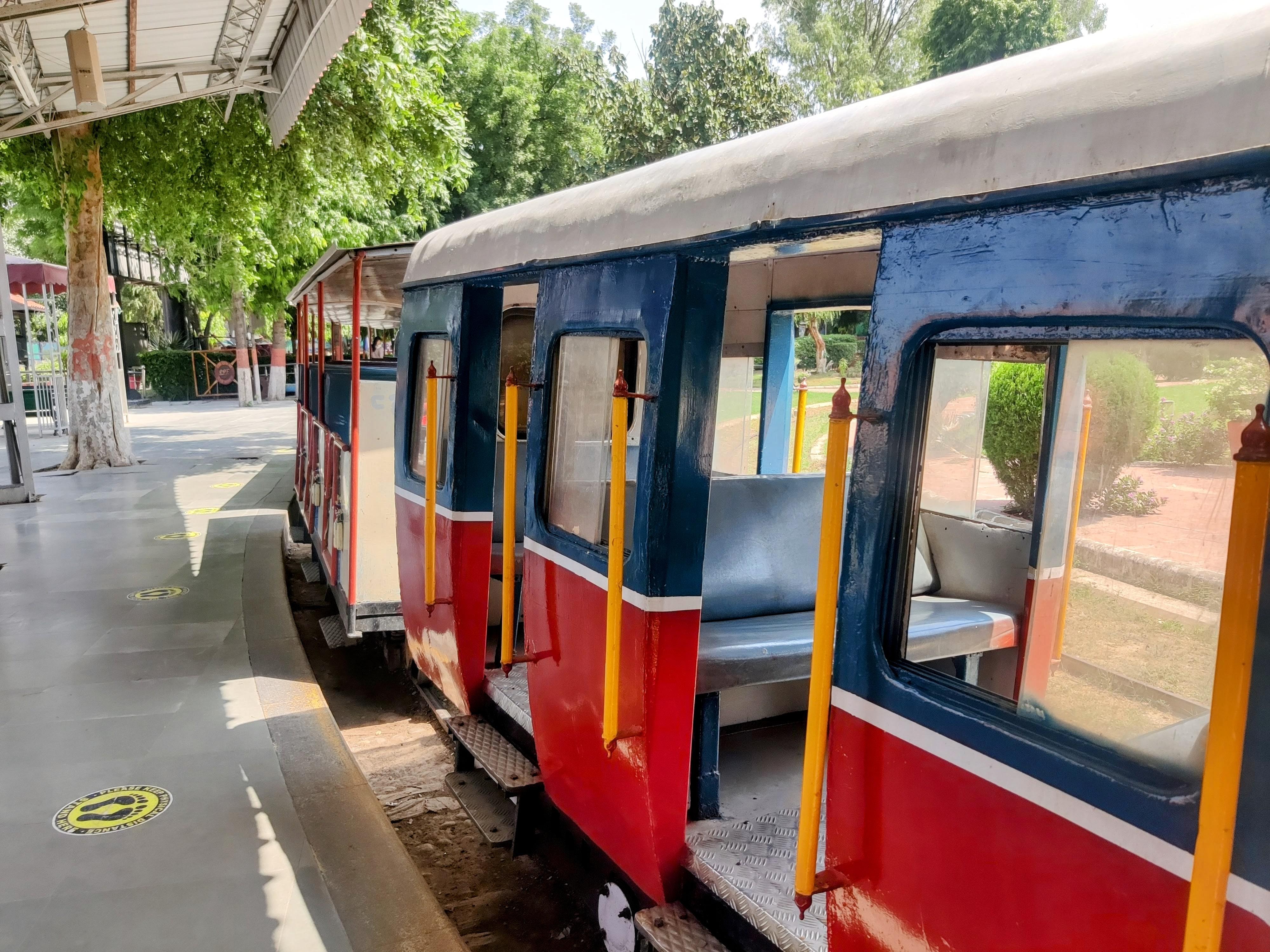
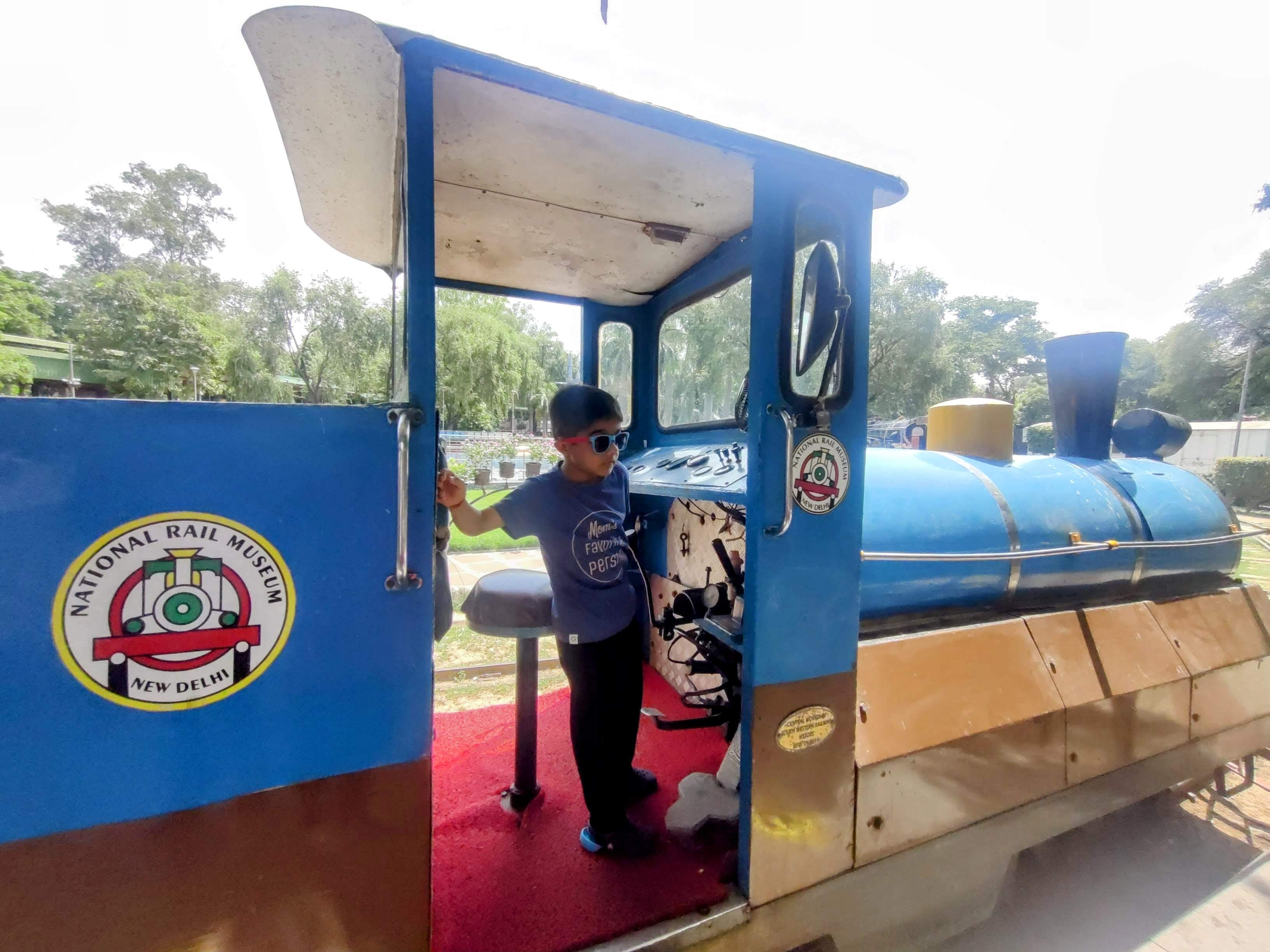
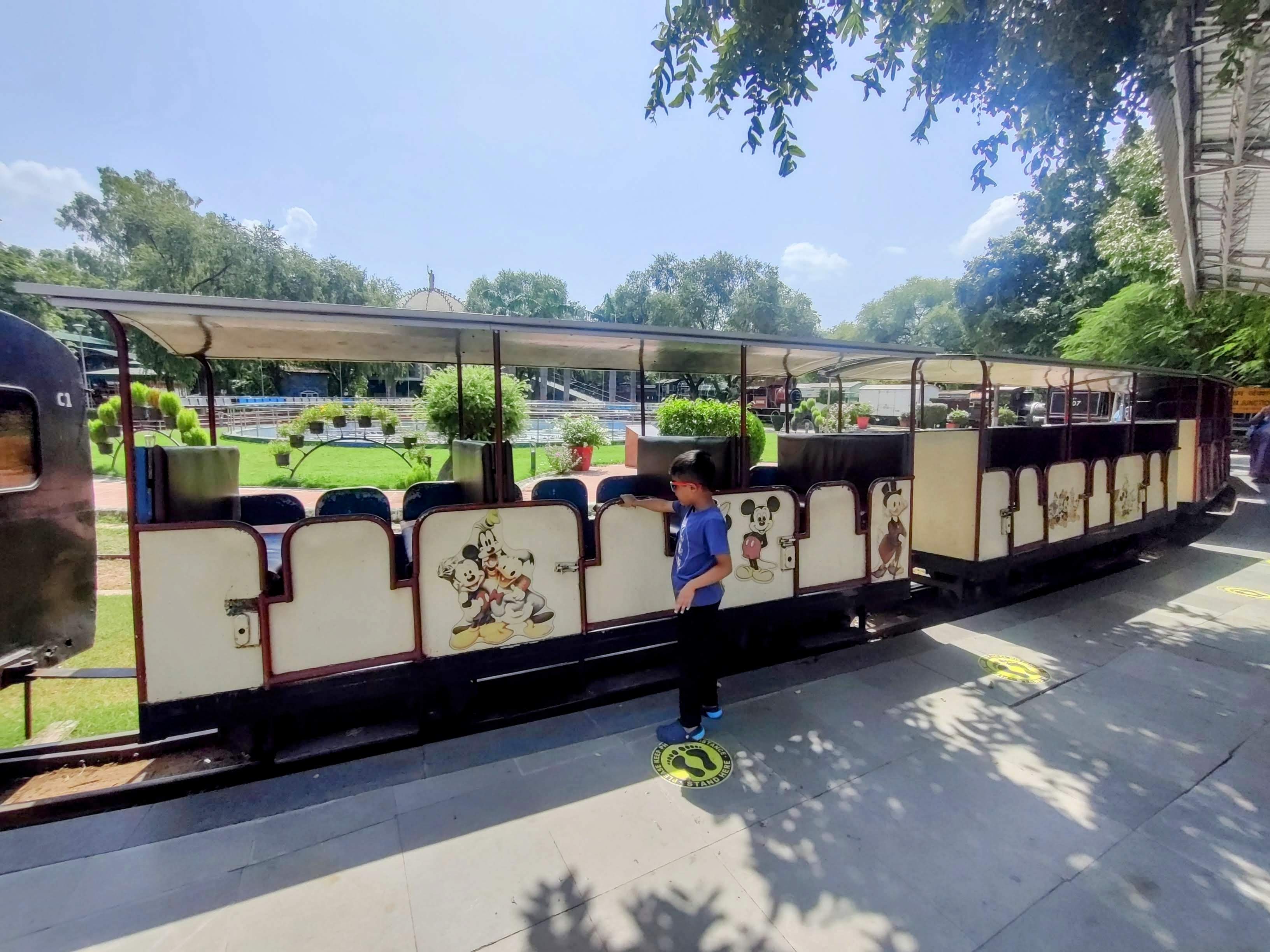
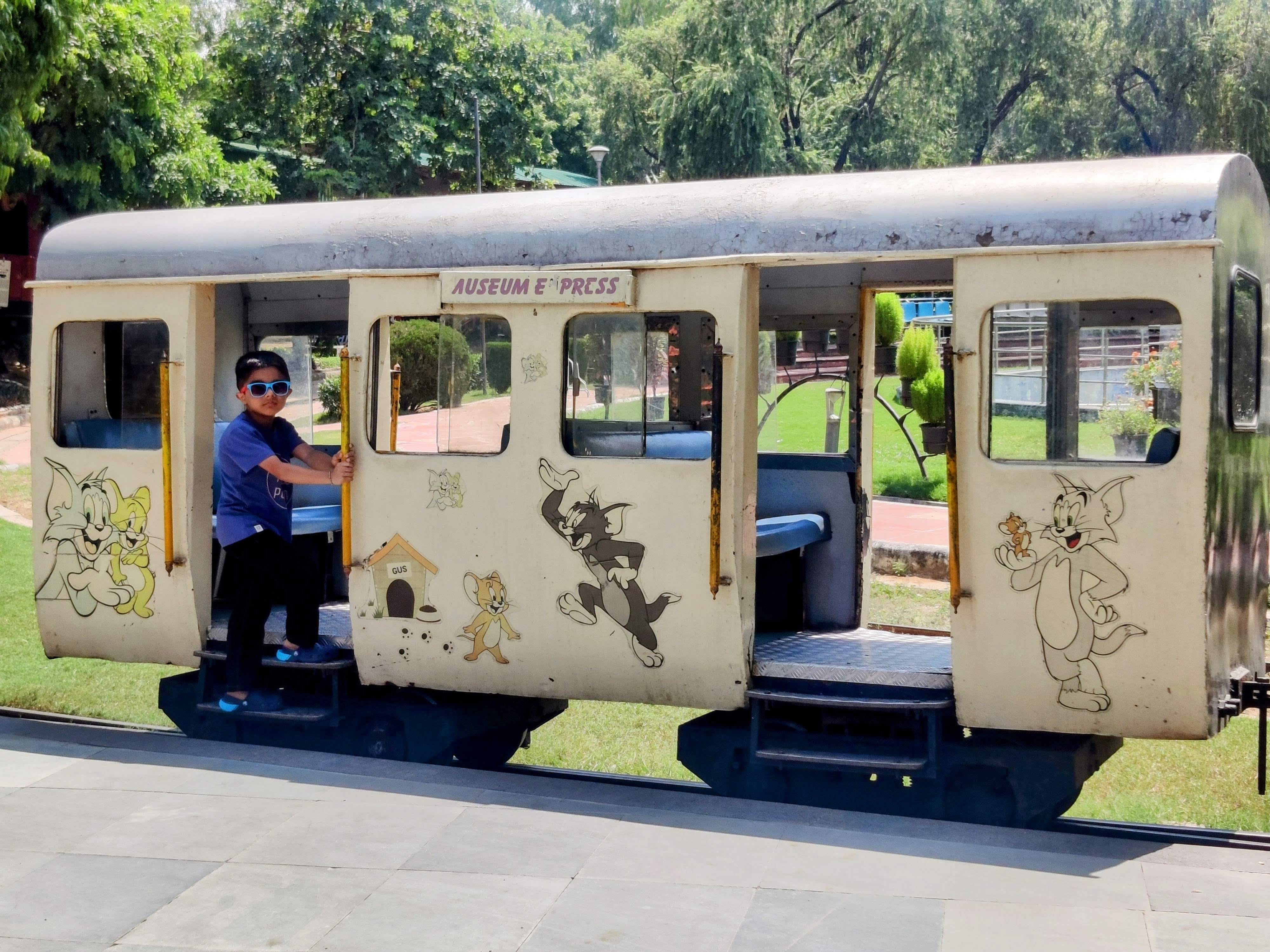
There is a locomotive training simulator that allows you to wear a hat of a loco driver and learn the intricate working of a locomotive.
The National Railway Museum is not only a treat for railway enthusiasts but also a valuable educational experience for visitors of all ages. It offers a glimpse into the rich legacy of Indian Railways and its significant contribution to the nation’s development. You can read it in detail at https://erail.in/info/rail-museum-national-rail-museum/2501
We spent approximately two hours at the National Railway Museum, immersing ourselves in the captivating exhibits and learning about the significant role of railways in shaping India’s transportation system.
After we visited the museum, we returned to our hotel for a scrumptious lunch. We relished the flavors of local cuisine and bid farewell to the gracious hospitality of our hotel in Delhi. As our train to Amritsar was scheduled for around 4 o’clock, we checked out and reached the railway station on time.
Off to Amritsar
We had made advance reservations on the Delhi-Amritsar Shatabdi train, a popular and efficient mode of travel between the two cities. The train provided us with a comfortable journey, complete with included meals. We opted for the Anubhuti coach, which offered a clean and spacious environment, ample legroom, and sufficient space for our luggage.
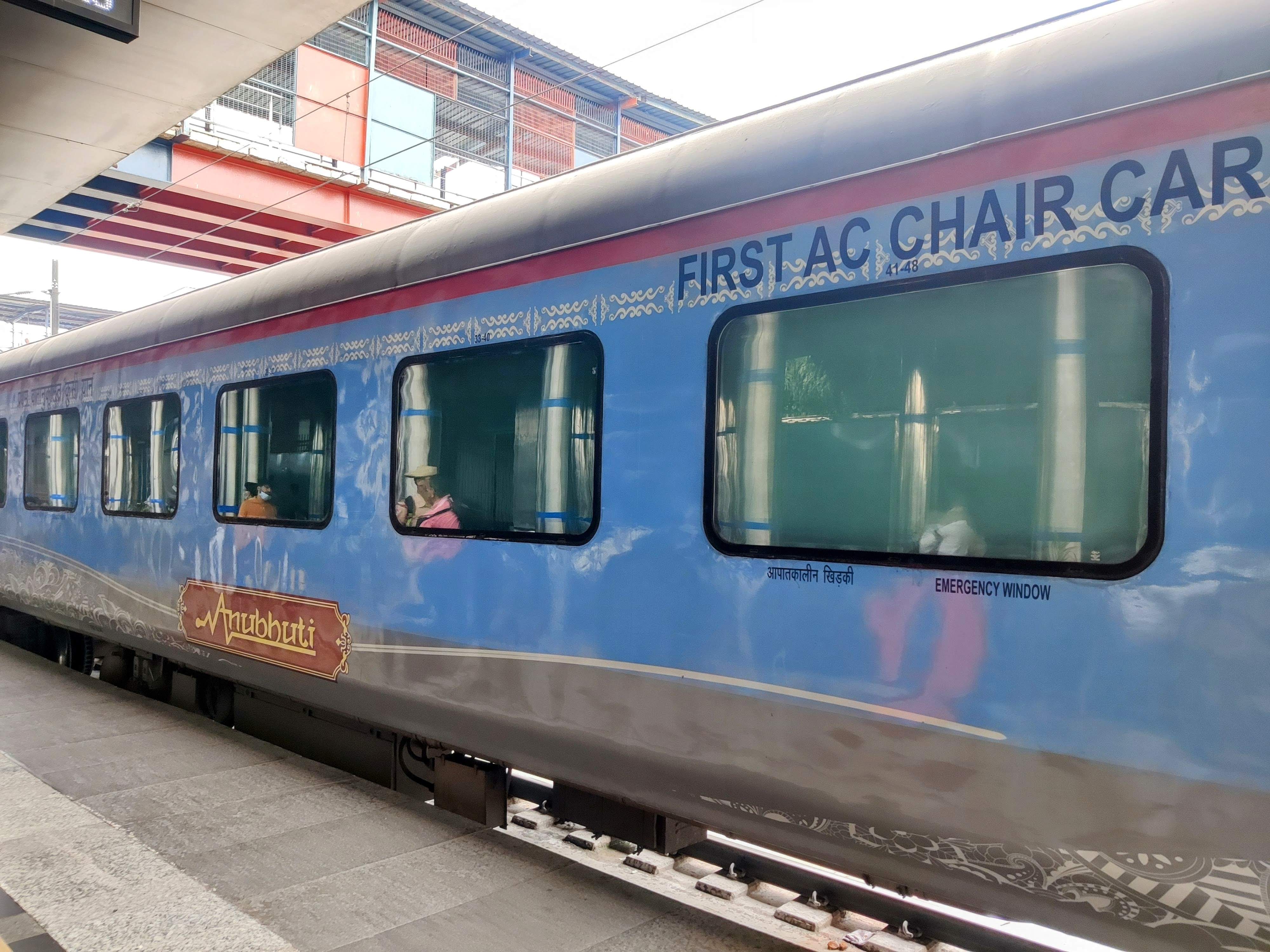

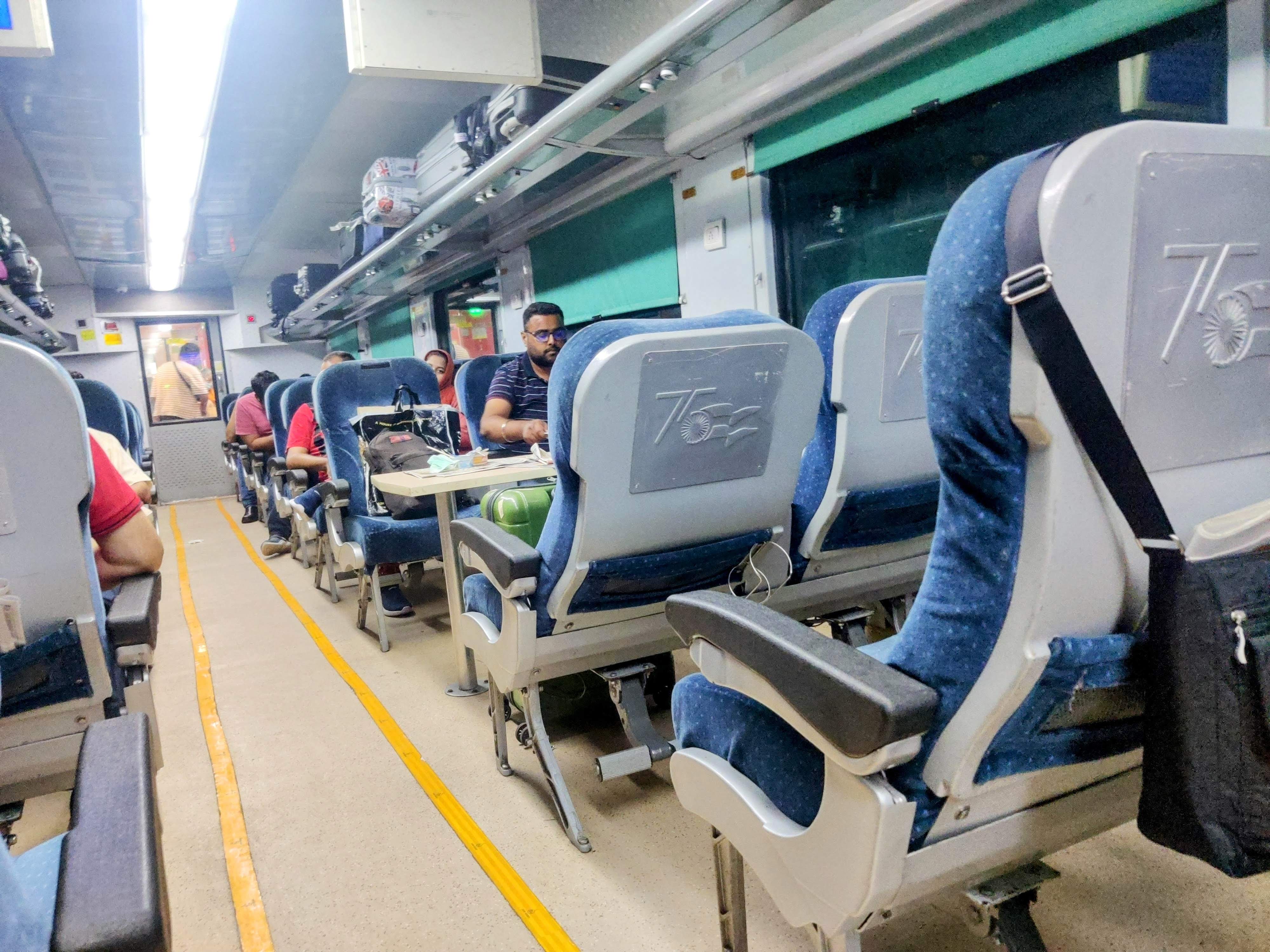
We reached Amritsar around 10 o’clock in the evening, excited to explore the city renowned for its rich cultural heritage and spiritual significance. After stepping off the train, we took a cab to our accommodation, Fairfield by Marriott Amritsar. The quick check-in process ensured a seamless transition, allowing us to rest and recharge for the adventures that awaited us in the coming days.
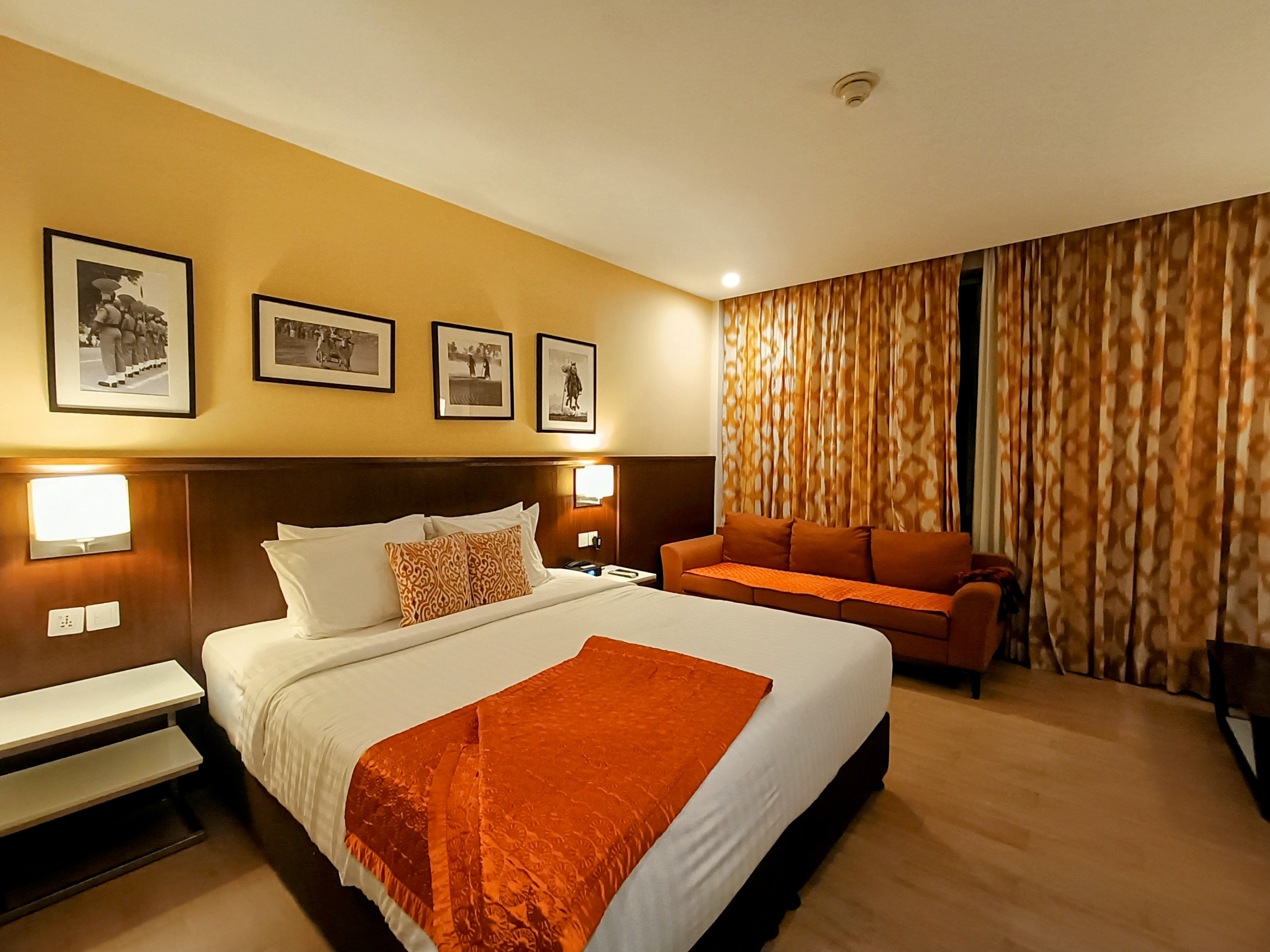
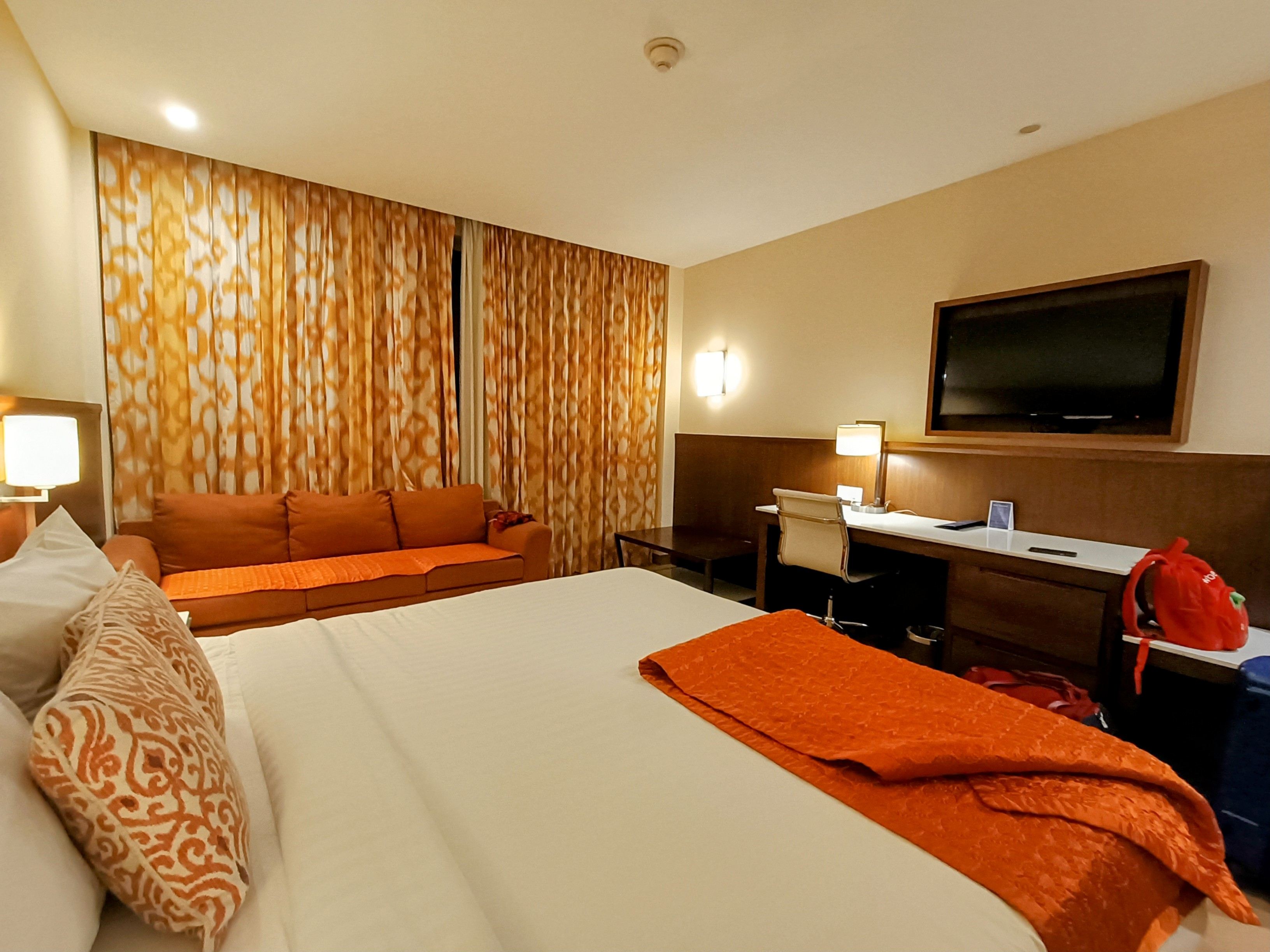
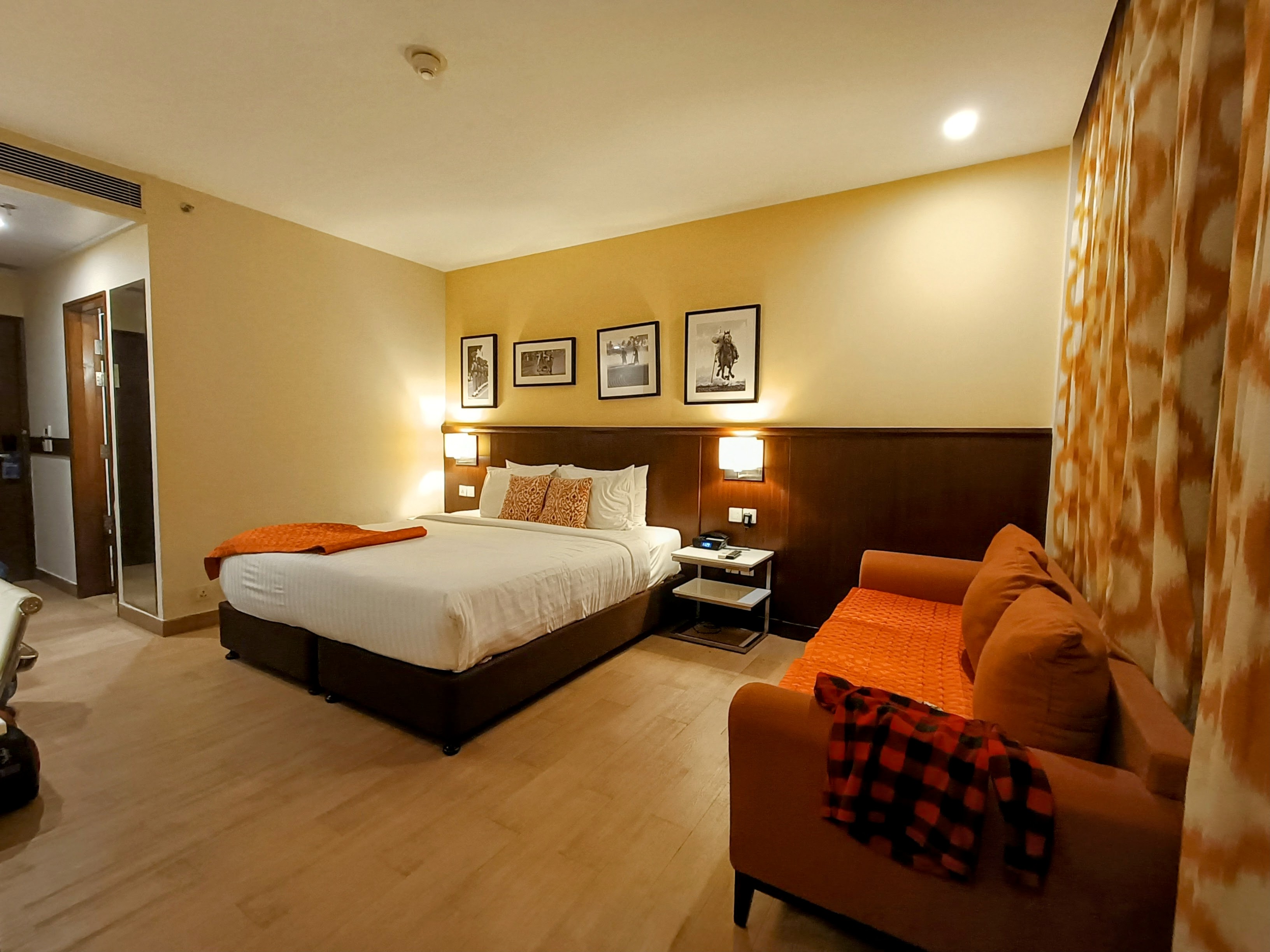
We looked forward to uncovering the cultural gems of the city in the days to come. Stay tuned for more tales from our Amritsar escapades.
If you liked reading this post or find it useful, please like, share, and subscribe.
We would love to hear from you. Use comments to share your thoughts!
 One Plus One Three
One Reply to “”