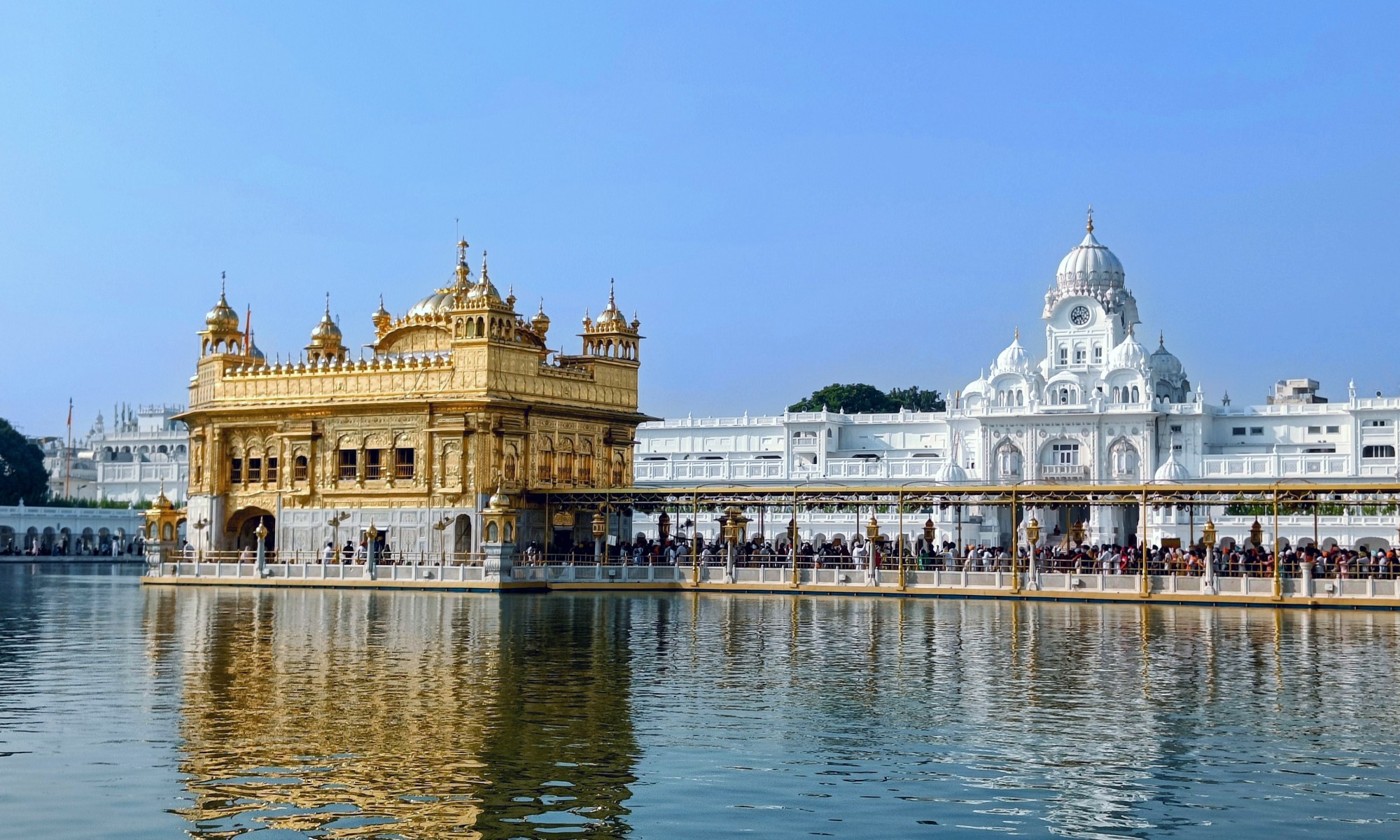
On the seventh day of our Amritsar exploration, we embarked on a memorable journey filled with spirituality, history, and delectable Punjabi cuisine. Join us as we share the highlights of this eventful day, from the bustling Golden Temple to the historic Jallianwala Bagh and the flavorsome culinary experiences that left our taste buds craving for more.
A Spiritual Morning at the Golden Temple

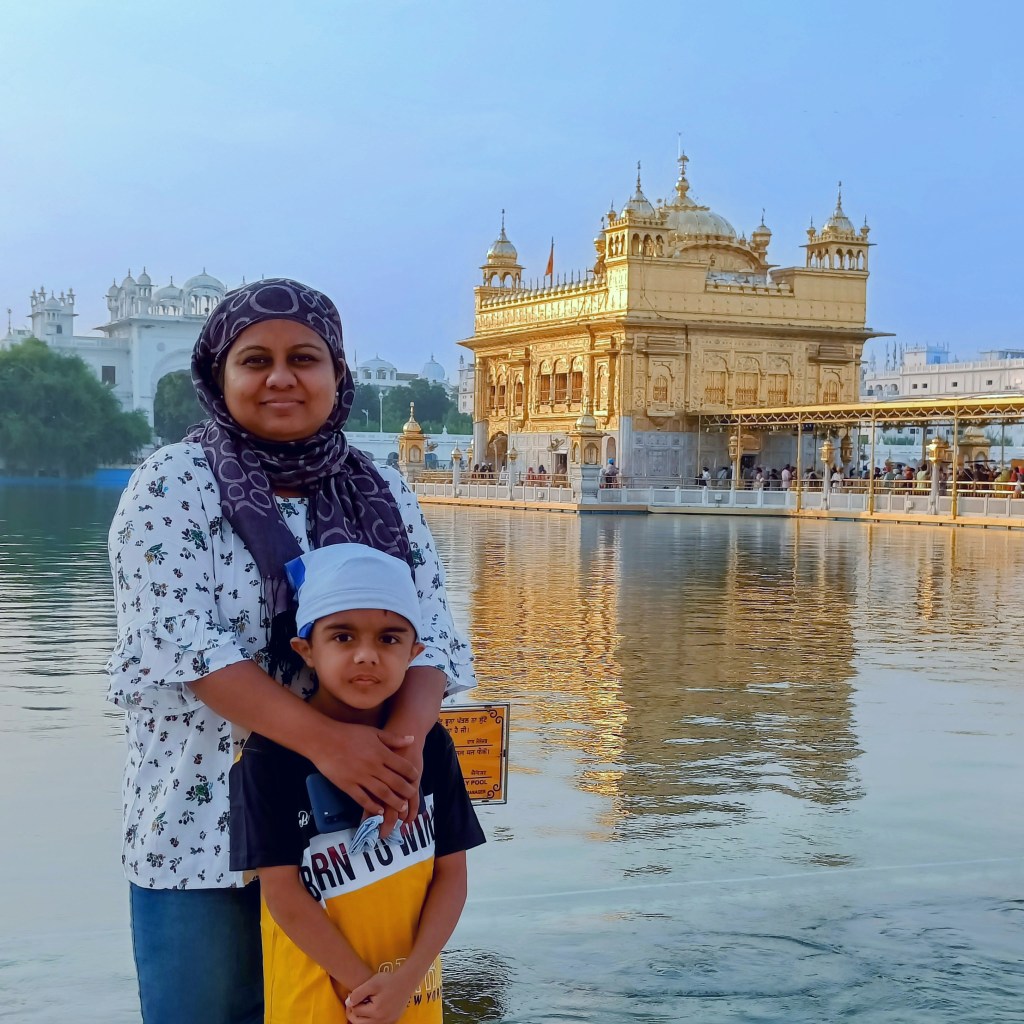
Around 6 in the morning, we eagerly made our way to the Golden Temple, opting for an electric ride to the revered site. To our surprise, the temple was already bustling with devotees. As we joined the lines to enter, we were reminded that the interiors could get crowded. For those who may be claustrophobic, it’s essential to consider this before joining the queues.
Divine Darshan and Prasad
Despite the crowds, the Golden Temple was very well managed. However, we observed that some people couldn’t resist pushing each other in their enthusiasm to get closer to the sanctum. Once we completed our darshan, we were fortunate to have prasad made of atta and ghee, a divine offering that filled our hearts with gratitude.
Langar at the Golden Temple: A Symbol of Equality, Community, and Service
After the darshan, we proceeded to the langar, a community kitchen where thousands of people are served a free and delicious meal without any discrimination.
Langar, a communal kitchen and dining hall, is an integral part of the Golden Temple’s philosophy. Regardless of caste, creed, religion, or socio-economic background, anyone is welcomed to partake in this sacred act of sharing a meal together. This tradition reflects the core Sikh principles of equality and selfless service, known as “seva.”
Every day, thousands of volunteers come together to prepare, serve, and clean up after the langar. This collective effort demonstrates the power of community and highlights the Sikh commitment to serving humanity. Visitors, whether Sikh or non-Sikh, are encouraged to participate in this noble endeavor, reinforcing the message that all are equal in the eyes of the divine.
The langar menu is simple yet nourishing, often consisting of lentil soup (dal), flatbread (roti), rice, vegetables, and a dessert. This symbolic meal emphasizes the importance of humility, as even the most basic offerings are shared with utmost reverence and gratitude.
As visitors approach the langar hall, they are welcomed by the harmonious sounds of prayers and hymns. Everyone, regardless of their background, sits together on the floor to share the meal. This tradition eradicates the distinctions of social status, fostering a sense of unity and oneness among all who partake.
The langar’s impact extends beyond the temple’s walls. In times of crisis or natural disasters, the Sikh community often mobilizes to provide langar to those in need. This practice showcases the embodiment of Sikh teachings in real-world situations, spreading the message of compassion and generosity to a global audience.
The langar at the Golden Temple is a living testament to the teachings of Sikhism and serves as a shining example of how faith can be translated into action. It transcends culinary boundaries and stands as a reminder that the act of sharing a meal is more than just sustenance—it is an act of love, unity, and service to humanity. In a world that can often be divided, the langar stands as a radiant symbol of hope, reminding us all of the power of compassion and the potential for positive change when we come together as one.
Exploring the City and Savoring Punjabi Delicacies
Following a short rest at our hotel, we ventured out around 2:00 in the afternoon.
Our first stop was ‘Kesar da Dhaba‘, a renowned and iconic dining establishment located in the heart of Amritsar. Established in 1916, this eatery has gained legendary status for serving authentic and delectable Punjabi cuisine. Kesar da Dhaba has been a favorite among locals, tourists, and food enthusiasts for over a century, earning a reputation that extends far beyond the city’s borders.
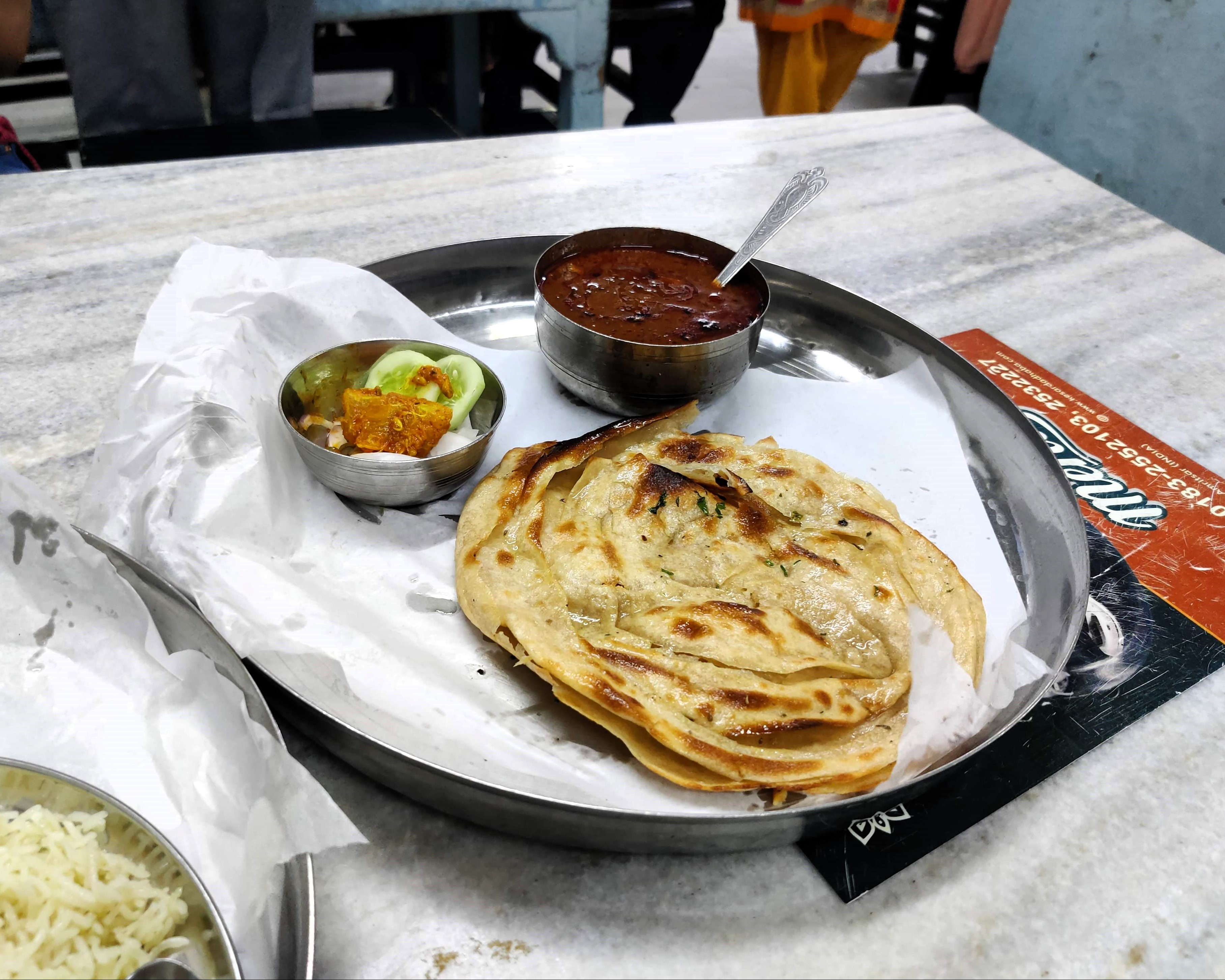
Known for its rustic charm and traditional ambiance, Kesar da Dhaba provides an immersive experience that transports visitors back to a bygone era. The restaurant’s interior is often simple and unassuming, emphasizing the focus on the food itself. The establishment retains its original feel, creating a genuine and nostalgic atmosphere that adds to the dining experience.
Kesar da Dhaba’s menu boasts an array of Punjabi culinary delights, prepared with a rich blend of spices and flavors that the region is famous for. Some of the signature dishes that have won the hearts of patrons include makki di roti (cornbread), sarson da saag (mustard greens), and their legendary dal makhani (buttery lentil curry). These dishes encapsulate the essence of Punjabi cuisine and are prepared with time-honored recipes that have been passed down through generations.
One of the unique aspects of Kesar da Dhaba is its commitment to preserving traditional cooking methods. The food is often prepared using age-old techniques, such as slow-cooking over open flames, which contribute to the distinctive taste and aroma that diners cherish.
As we strolled towards the Jallianwala Bagh, we couldn’t resist trying the famous jalebis from ‘Gurdas Ram Jalebi Wala‘. These crispy and sweet delights were the perfect treat on our way to the historic site. The bustling market near Jallianwala Bagh tempted us to purchase some beautiful shawls and kadaas, making our visit all the more memorable.
Jallianwala Bagh – Uncovering the History
The Jallianwala Bagh massacre, also known as the Amritsar massacre, was a tragic event that occurred on April 13, 1919, in Amritsar, Punjab, India, during British colonial rule. The incident took place in Jallianwala Bagh, a public garden, where a large gathering of Indian civilians had gathered for a peaceful protest against the draconian and repressive Rowlatt Act and to demand the end of British colonial rule.
With full hatred against the Indians, a British monster, disguised as a Brigadier General, named Reginald Dyer, ordered his troops to open fire on the unarmed and peaceful crowd without any warning or means of escape. The firing continued for about ten minutes, resulting in the deaths of at least 379 people, according to British official figures, although other estimates suggest the actual number might have been much higher – perhaps in thousands.
The massacre shocked the world and sparked widespread outrage and condemnation, both in India and abroad. It came to symbolize the brutality of British colonial rule and their disregard for human rights. The incident further fueled the Indian independence movement and galvanized public sentiment against British rule.
The British government faced severe criticism for its handling of the massacre. Dyer’s actions were initially praised by some British officials, but he was later condemned for his excessive use of force. He was relieved of duty and sent back to Britain, where he faced mixed reactions from the public and political leaders.
The Jallianwala Bagh massacre played a significant role in shaping India’s struggle for independence. It highlighted the urgency of gaining self-governance and spurred greater unity among Indians from various backgrounds against British oppression. The tragic event remains a solemn reminder of the sacrifices made during the struggle for freedom and the importance of respecting human rights and peaceful protests.
Now converted into a memorial site, the Jallianwala Bagh remains an important historical site that visitors can explore to learn about the tragic events of the Jallianwala Bagh massacre. Here’s what you might expect to see when visiting the site:
Memorial Monument:
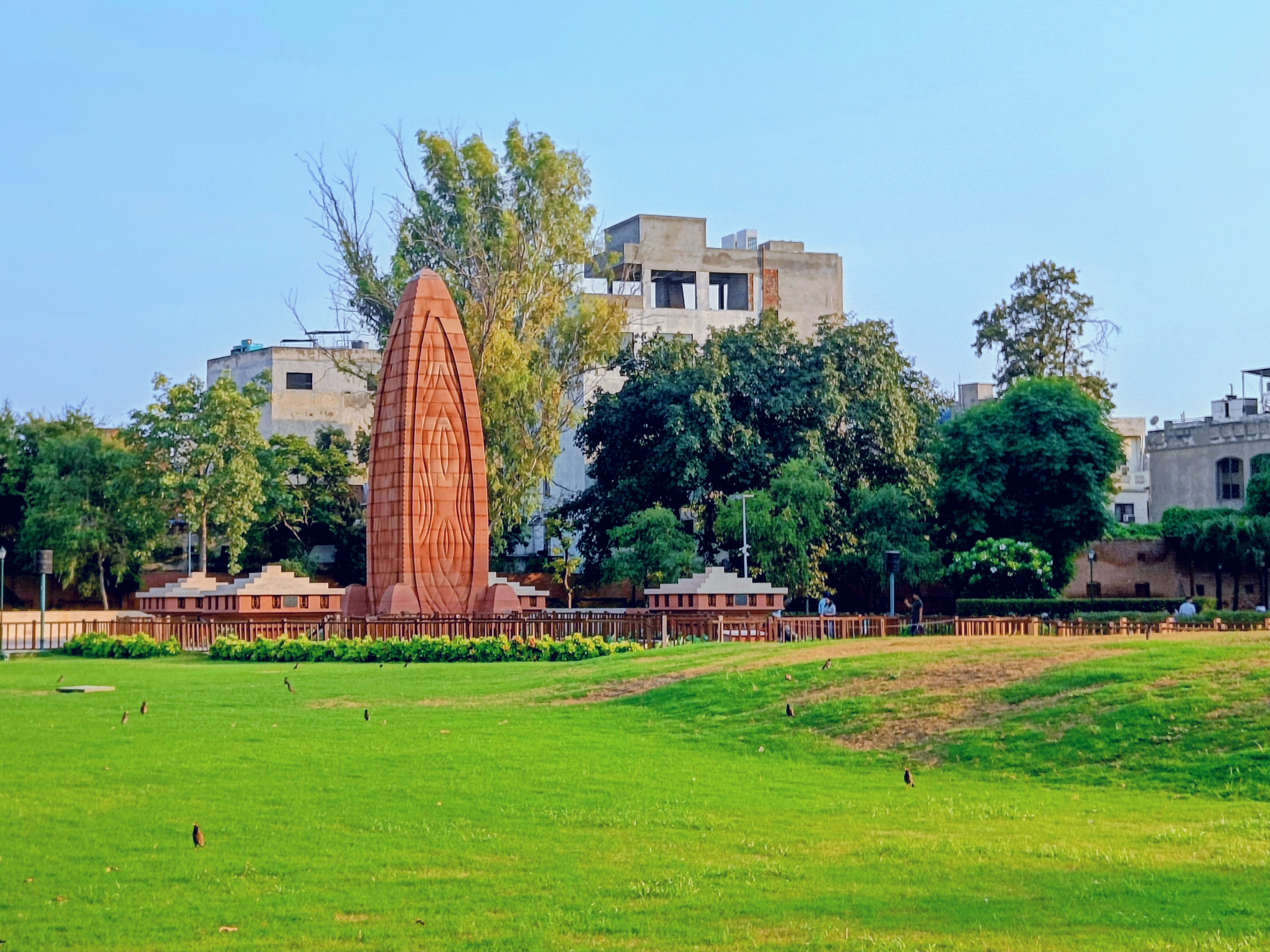
The memorial at Jallianwala Bagh stands as a somber reminder of the massacre. It includes a tall central pylon, which is surrounded by a well-maintained garden area. The pylon features an eternal flame and an inscription commemorating those who lost their lives.
Martyrs’ Well:
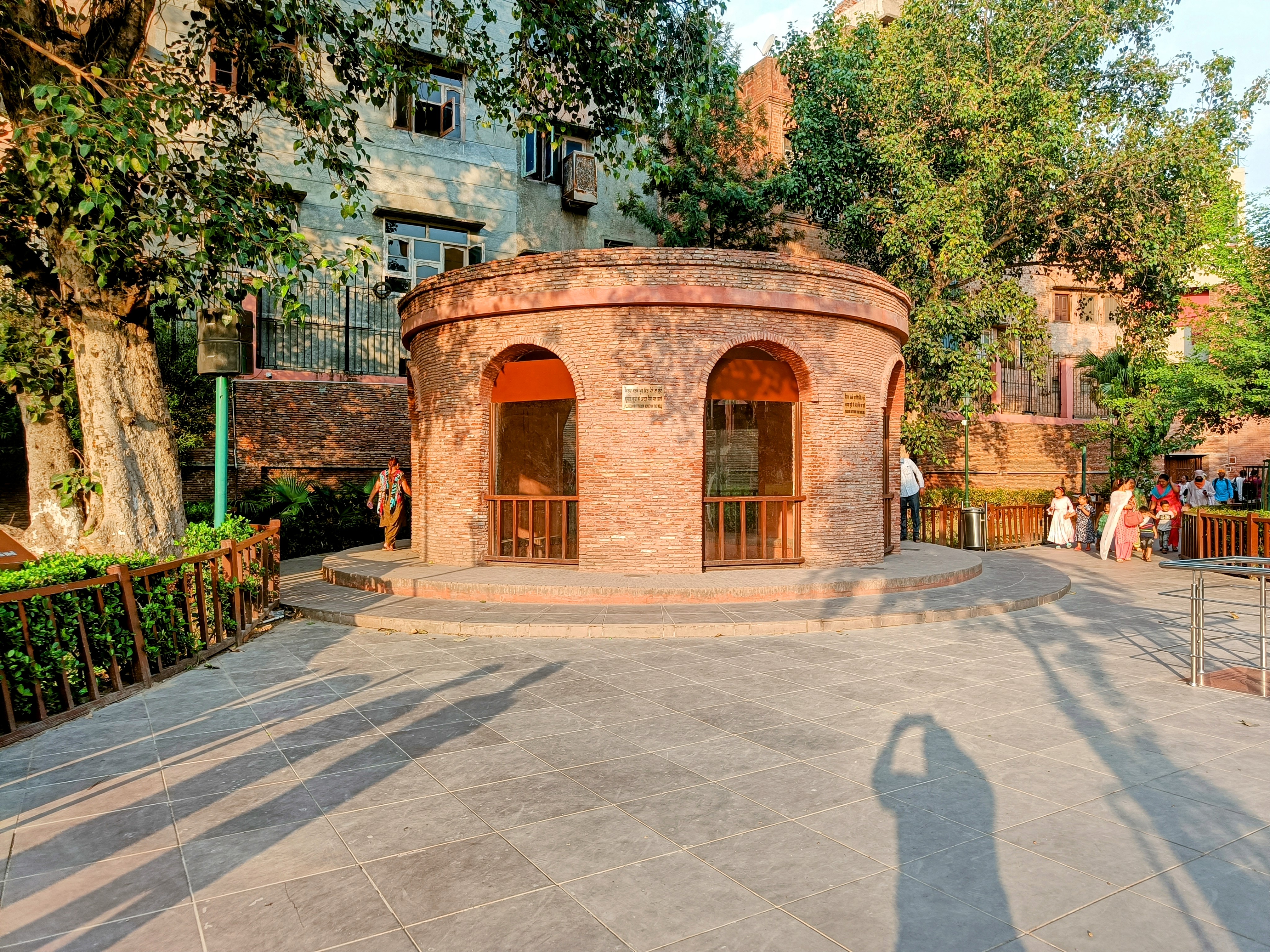
Visitors can see the well into which many people jumped to escape the firing during the massacre. The well is preserved and serves as a powerful symbol of the tragic events that unfolded on that fateful day.
Bullet Marks and Walls:
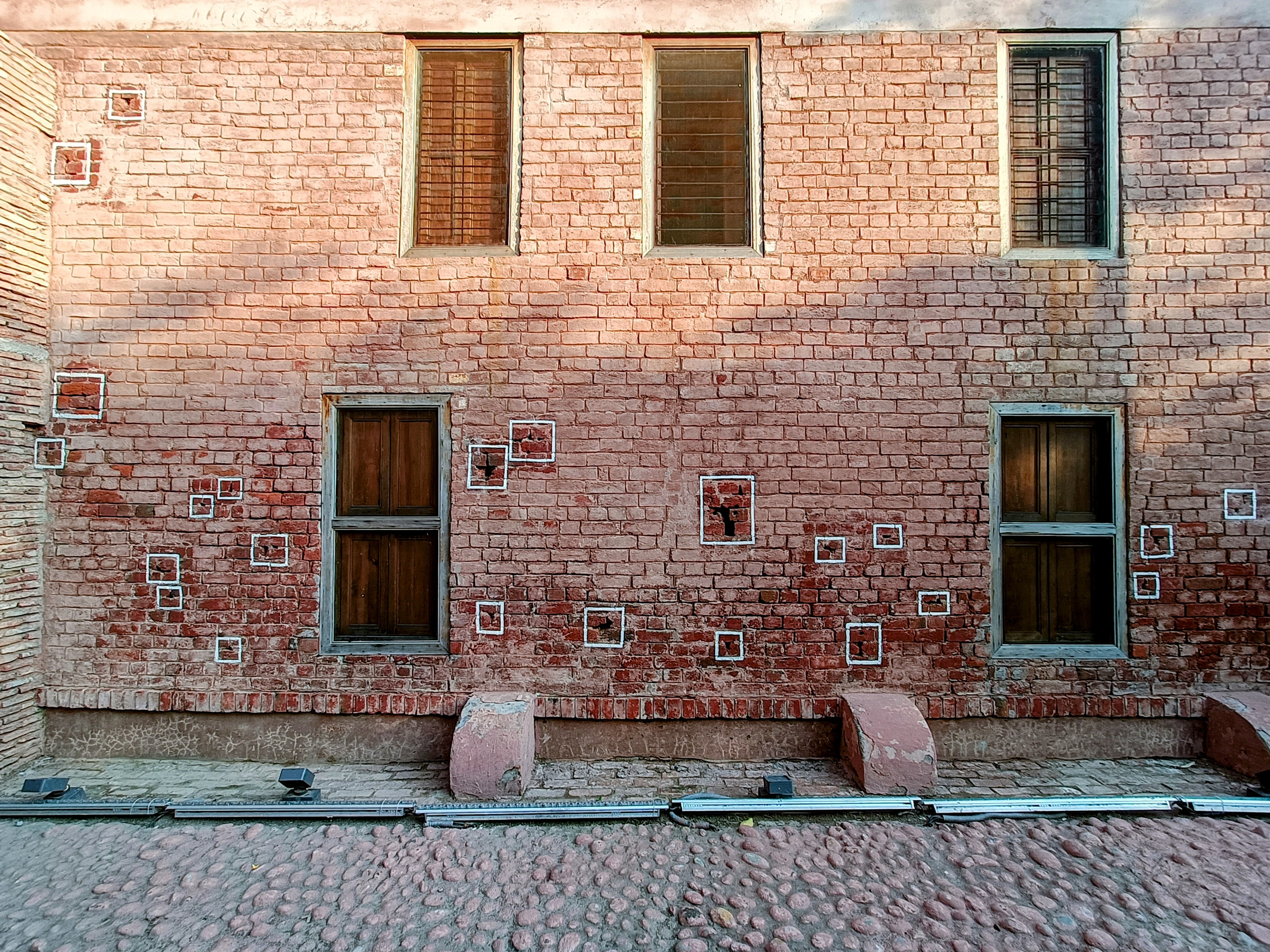
Some of the walls in the garden still bear the bullet marks from the gunfire that occurred during the massacre. These marks serve as a chilling testament to the brutality that took place.
Light and Sound Show: The Jallianwala Bagh complex might offer a light and sound show that recounts the events leading up to the massacre, the massacre itself, and the aftermath. The show helps visitors better understand the historical context and significance of the site.
Museum: There might be a museum or an exhibition center near the memorial where you can find photographs, artifacts, and documents related to the massacre. These displays provide additional context and insight into the historical background of the incident and its aftermath.
Reflection and Contemplation: The serene garden setting encourages visitors to reflect upon the tragedy that unfolded there and its broader implications. Many people take a moment to pay their respects and remember the lives lost.
Surrounding Area: The Jallianwala Bagh is located near the iconic Golden Temple, the holiest site in Sikhism. Visitors often combine their visit to the memorial with a trip to the Golden Temple, creating a meaningful experience that encompasses both history and spirituality.
Captivating Evening at the Golden Temple

As the evening approached, we returned to the Golden Temple to witness the enchanting light and sunset effects on the temple’s architecture. Capturing some amazing pictures, we sat in the chowk, reminiscing about our vacation experiences.
Day seven in Amritsar was a blend of spiritual serenity, historical revelations, and mouthwatering culinary treats. The Golden Temple and Jallianwala Bagh left us in awe of their significance, while the flavors of Punjabi cuisine added an unforgettable touch to our exploration. As we prepared to bid farewell to Amritsar, we carried with us cherished moments and a profound appreciation for the city’s rich heritage and warm hospitality.
If you liked reading this post or find it useful, please like, share, and subscribe.
We would love to hear from you. Use comments to share your thoughts!
 One Plus One Three